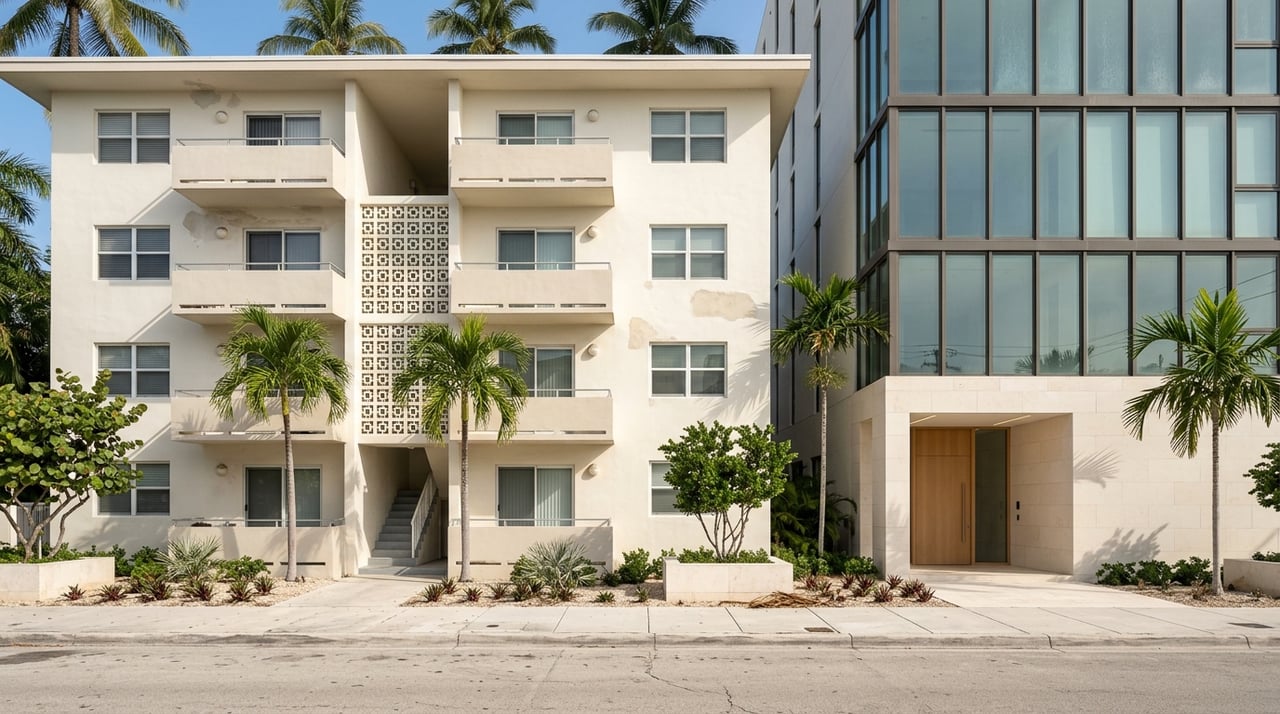
If you have ever walked Bay Harbor Islands and wondered why one block feels quietly mid-century while the next feels sleek and newly sculpted, you are seeing one of South Florida’s most interesting condo design stories in real time. In a town this small, architectural change is easy to spot and even easier to feel when you tour buildings, compare layouts, or think about long-term ownership. Understanding how Bay Harbor Islands evolved from postwar MiMo to today’s boutique waterfront residences can help you make a smarter buying or selling decision. Let’s dive in.
Why Bay Harbor Islands Looks Different
Bay Harbor Islands is a very compact town made up of two kidney-shaped islands covering less than half a square mile. According to the Town of Bay Harbor Islands visitor information, the West Island is limited to single-family homes, while the East Island contains multi-family housing and the business district.
That matters because nearly all of the town’s condo architecture is concentrated in a small waterfront setting on the East Island. Instead of spreading across a large urban area, Bay Harbor Islands presents its architectural history in a tight, highly visible pattern where older and newer condo buildings often sit close to one another.
East Island’s Mid-Century Roots
Bay Harbor Islands has deep mid-century architectural roots. Miami-Dade County research notes identify East Island as one of the country’s largest concentrations of Miami Modern architecture, and the same report points to early condo history with Harbour Bay Condominium dating to 1947 and Bay Harbor Club listed as a 1956 historic site.
For buyers and owners today, that history is more than a fun detail. It helps explain why so many older buildings in Bay Harbor Islands feel intimate, low-rise, and closely connected to the street and water.
What MiMo Means Here
In Miami-Dade’s architectural history, postwar design moved from Art Deco into Streamline Moderne and then into MiMo. The county notes that many buildings from this era used climate-aware features such as jalousie windows and concrete block screen walls.
In practical terms, Bay Harbor Islands mid-century condos often show up as:
- Low-rise building forms
- Decorative concrete screens
- Shaded balconies
- Breezeways and open-air circulation
- A more human-scaled street presence
These details were not just stylistic choices. They responded to heat, light, air movement, and waterfront living in a subtropical climate.
What Older Condos Feel Like
Older Bay Harbor Islands condos often feel more personal in scale. Because many of these buildings come from a postwar multi-family model, they tend to sit closer to the lot, relate more directly to the sidewalk or waterfront, and offer a less resort-driven experience than newer projects.
That does not automatically make them better or worse. It simply means the ownership experience can be different. You may find more varied unit types, a denser building-to-lot relationship, and architecture that prioritizes breeze, shade, and proportion over large amenity packages.
The Shift to Modern Boutique Condos
In recent years, Bay Harbor Islands has moved toward a modern boutique condo model rather than very large tower development. Official project information shows this clearly: Alana is a 7-story, 30-unit boutique condominium, La Baia North includes 57 waterfront condos with private boat slips and over 20,000 square feet of amenities, Indian Creek Residences & Yacht Club is an 8-story, 9-home project with six yacht slips, and the town’s annual reporting has also identified Onda as a 41-unit, eight-story condominium.
This is a clear evolution in both design and buyer expectations. The newer phase is still relatively scaled for the area, but it is more private, more design-forward, and more tailored to luxury waterfront lifestyles.
New Design Language, Familiar References
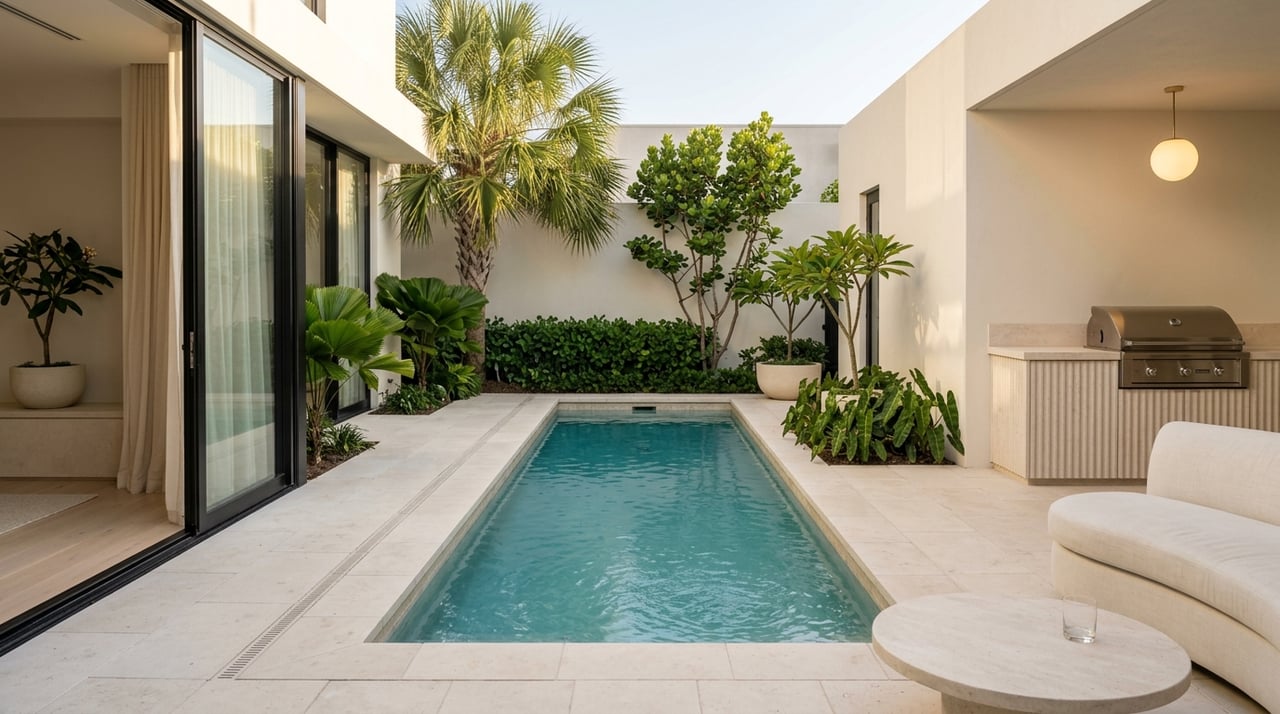
Today’s boutique buildings often borrow cues from Bay Harbor Islands’ mid-century setting while updating them for current preferences. Indian Creek Residences, for example, is described with curved edges, natural materials, sculptural detailing, expansive glazing, private balconies, direct elevator entry, and a rooftop amenity terrace, while Alana is presented as a boutique mid-rise focused on privacy and premium design.
The result is not one single modern style. Instead, Bay Harbor Islands now offers a mix of contemporary buildings that share a design-led approach while interpreting the waterfront setting in different ways.
How Architecture Changes Layouts
One of the biggest differences between mid-century and modern Bay Harbor Islands condos is layout. Newer projects actively market larger two- to five-bedroom residences, half-floor and duplex configurations, direct elevator entry, and expansive private balconies, as seen in current project materials such as La Baia North.
Older buildings come from a different era and usually reflect a more compact multi-family framework. That can mean more varied floor plans and a more efficient use of square footage, but often with less emphasis on private elevator access, oversized entertaining areas, or large indoor-outdoor transitions.
If you are comparing options, architecture can tell you a lot about how the space may live day to day.
| Era | Typical Character | What You May Notice |
|---|---|---|
| Mid-century condo stock | Low-rise, climate-aware, compact | Smaller scale, breezeways, shaded details, varied unit layouts |
| Modern boutique condos | Mid-rise, design-led, privacy-focused | Larger residences, more glass, bigger terraces, direct elevator entry, amenity emphasis |
How Architecture Shapes Views
Bay Harbor Islands is a waterfront market, so views matter. The older low-rise fabric tends to create a more horizontal, neighborhood-scale experience, where the relationship to the bay, canal, or surrounding streetscape feels closer and more grounded.
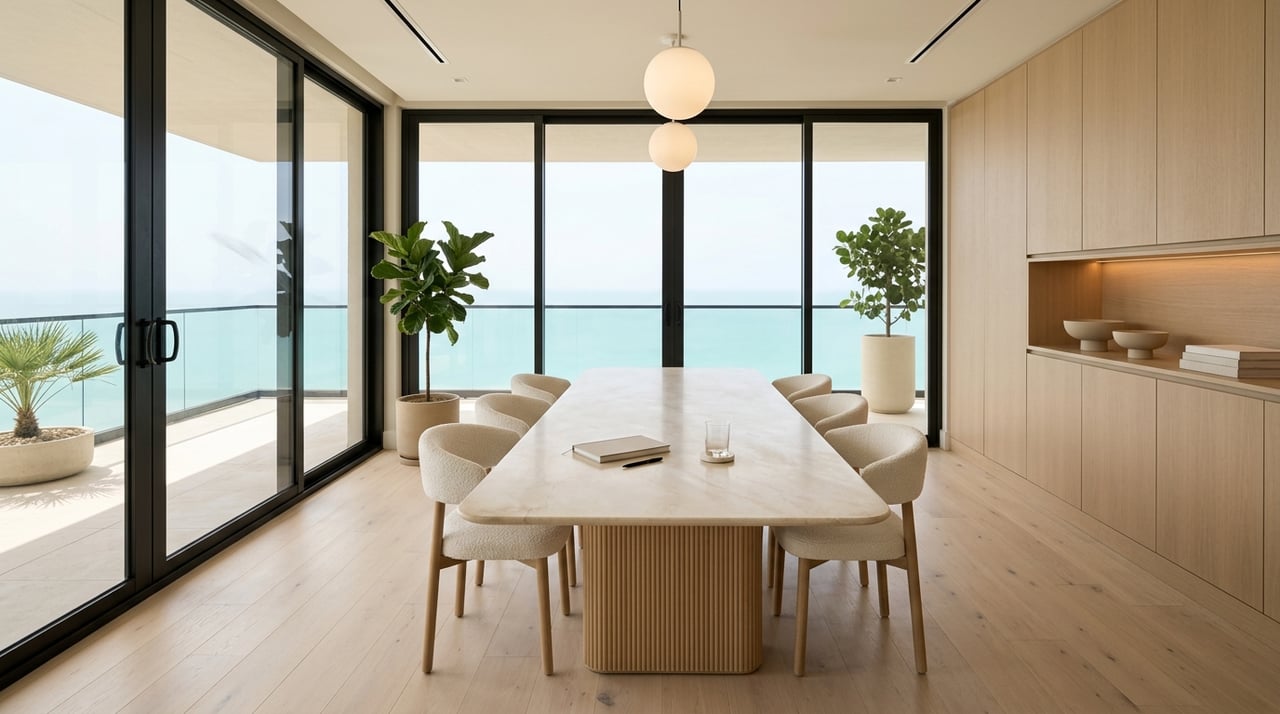
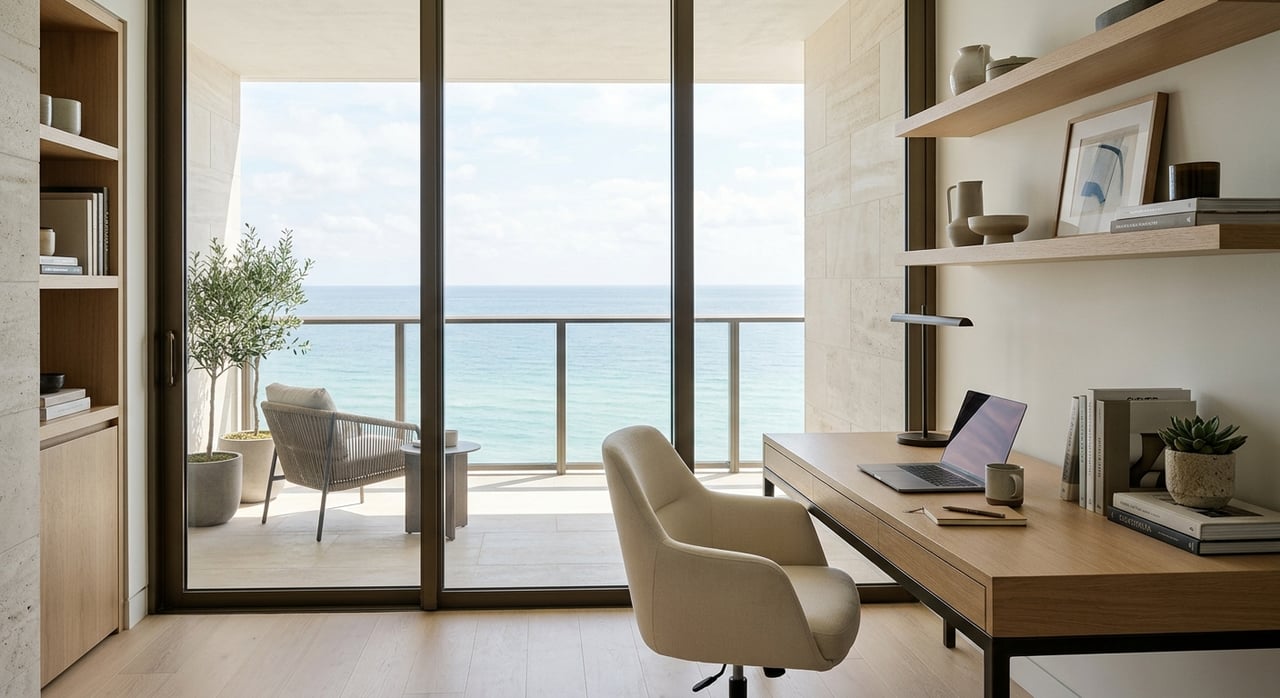
Newer seven- to eight-story boutique buildings often push harder on view optimization. Project descriptions highlight waterfront exposure, rooftop decks, private balconies, and yacht access, all of which support a more elevated viewing experience and stronger indoor-outdoor visual connection.
For you as a buyer, this is not just about the postcard moment. It also affects privacy, daylight, and how a residence feels throughout the day.
Ownership and Maintenance Matter Too
In Bay Harbor Islands, architecture is closely tied to maintenance and renovation planning. The town states that it lies entirely within a special flood hazard area, which makes building compliance and improvement planning especially important.
The town also says that all development and improvements require permitting, work valued at $100 or more needs a permit, and substantial improvements over a five-year period or work reaching 50 percent of market value can trigger newer building standards. Exterior changes including additions, awnings, doors, fences, paint, signs, and windows require review by the Town Planner and or Design Review Board.
For older condos, that backdrop can make renovation more complex, especially when exterior upgrades, flood-related improvements, or historically sensitive changes are involved. Miami-Dade County also notes that designated historic properties require review before certain repairs or construction.
Why This Affects Value
Architecture influences value in more ways than appearance alone. In Bay Harbor Islands, a building’s era can affect layout expectations, amenity package, renovation flexibility, maintenance planning, and even how buyers perceive privacy and waterfront exposure.
That is why two condos with similar locations may appeal to different buyers. One may offer character and a classic Bay Harbor Islands feel, while another may attract interest for its newer systems, larger footprint, and turnkey design.
What Buyers Should Look For
If you are shopping Bay Harbor Islands condos, try to evaluate architecture as part of the ownership equation, not just the aesthetics. A helpful checklist includes:
- Building era and architectural style
- Unit layout and square footage flow
- Balcony depth and usable outdoor space
- Water and skyline orientation
- Building scale and privacy level
- Permitting or renovation considerations
- Floodplain and improvement implications
- Maintenance history and exterior condition
In a market this compact, details matter. The same street can offer very different ownership experiences depending on when and how a building was designed.
What Sellers Can Highlight
If you are selling a Bay Harbor Islands condo, the building’s architectural identity can be a real asset when it is presented clearly. A mid-century residence may stand out for scale, charm, breezy design details, and a strong sense of place. A modern boutique condo may stand out for privacy, premium finishes, larger layouts, and curated waterfront amenities.
The key is positioning the property around what the architecture actually delivers. Strong visual storytelling, accurate market context, and a thoughtful presentation can help buyers understand the value behind the design.
Why Local Guidance Helps
Bay Harbor Islands may be small, but it is not simple. The town’s mix of historic condo fabric, boutique new development, waterfront positioning, and permitting considerations means you benefit from guidance that looks beyond square footage and finishes alone.
Whether you are drawn to the character of a mid-century building or the ease of a newer boutique residence, understanding the architectural evolution of the area can help you make a more confident move. If you are considering a purchase, sale, or new-development opportunity in Bay Harbor Islands, Carolina Bustillos offers discreet, high-touch guidance tailored to Miami’s coastal condo market.
FAQs
What makes Bay Harbor Islands condo architecture unique?
- Bay Harbor Islands is a very small waterfront town where most condo development is concentrated on East Island, creating a visible mix of mid-century MiMo buildings and newer boutique mid-rises in a compact area.
What defines a mid-century Bay Harbor Islands condo?
- Mid-century condos in Bay Harbor Islands are often low-rise buildings with features tied to Miami Modern design, such as decorative concrete screens, shaded balconies, breezeways, and climate-aware details.
What defines a modern Bay Harbor Islands boutique condo?
- Modern boutique condos in Bay Harbor Islands often emphasize larger floor plans, more glass, private balconies, direct elevator entry, rooftop amenities, and a more privacy-focused luxury experience.
Are older Bay Harbor Islands condos harder to renovate?
- They can be, because Bay Harbor Islands requires permitting for improvements, exterior changes are subject to review, the town is entirely in a special flood hazard area, and certain historic properties may need additional review before repairs or construction.
Do newer Bay Harbor Islands condos usually have better views?
- Newer boutique buildings often prioritize view maximization through height, expansive glazing, terraces, and rooftop amenities, while older low-rise buildings typically offer a more horizontal waterfront and neighborhood-scale feel.
Is Bay Harbor Islands mostly high-rise development?
- No. Recent development in Bay Harbor Islands has largely followed a boutique mid-rise pattern, with projects such as Alana, Onda, La Baia North, and Indian Creek Residences showing a smaller-scale luxury approach rather than very large towers.