Finding the right Bal Harbour condo is about more than square footage and views. The amenity mix sets your daily rhythm and your monthly costs. If you love spa days, private beach service and a staffed lobby, you’ll want a building that delivers those perks. If you won’t use them, you can save thousands a year by choosing a simpler footprint. This guide breaks down what Bal Harbour amenities really mean, what they cost, and how to match them to your lifestyle. Let’s dive in.
Why Bal Harbour amenities matter
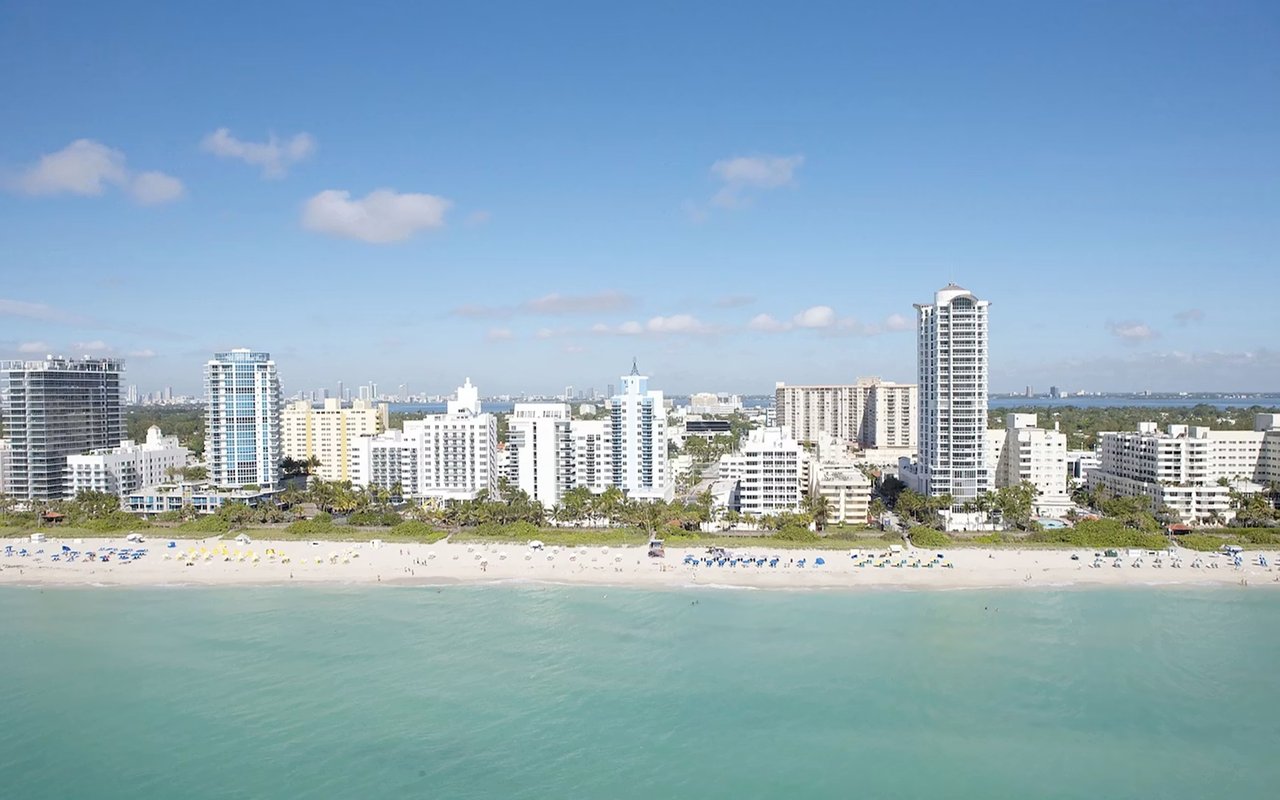
Bal Harbour is a compact, ultra‑luxury oceanfront village at the north end of Miami Beach with a strong mix of branded residences and high‑spec towers. The Village runs its own local services and publishes rules and resources on the official Bal Harbour site. Because the market is small and curated, amenities can vary widely from hotel‑style services to quiet boutique offerings.
You’ll see names like St. Regis Bal Harbour, Ritz‑Carlton Bal Harbour, Oceana Bal Harbour and value‑driven mid‑rise buildings with renovated common areas. These buildings all say “luxury,” but day‑to‑day service levels and fee structures differ. Knowing the tradeoffs helps you avoid paying for features you won’t use.
Core amenities in Bal Harbour, explained
Concierge, 24‑hour staffing and valet
In Bal Harbour, a staffed lobby often includes concierge, luggage handling and full valet. Branded towers go further with dedicated butlers, in‑residence deliveries and round‑the‑clock reception. The St. Regis Bal Harbour is a good example of high‑touch staffing. Expect excellent convenience and higher monthly dues to support it.
Private beach access and beach club service
Many oceanfront buildings market “private beach” access. In practice, you’ll get a residents’ lounge area on the sand with chairs, umbrellas, attendants and towel service. Buildings like Oceana Bal Harbour highlight full beach setups. Remember, in Florida the wet sand seaward of the mean high‑water line is public trust land. The upland dry sand can be private. Ask if a building’s beach zone is exclusive and whether service is included or billed per use.
Pools, cabanas and poolside dining
Resort‑style pools are standard at the top end. Private cabanas may be rentable by the day or season, and some buildings offer poolside food and beverage. At branded properties like the St. Regis, owners often have dedicated pool areas and service. Always check reservation rules, guest policies and any fees.
Spa, fitness and courts
If wellness is part of your daily routine, look for full spa operations with treatment rooms, steam and sauna, plus a serious fitness center. Oceana’s amenities include a world‑class spa, fitness and clay tennis courts. Some buildings charge separate membership or class fees. If you have a private trainer or specific class needs, ask about outside trainer policies and instructor pricing.
On‑site restaurants, bars and hotel services
Branded residences often blur hotel and residential living with in‑building restaurants, room service and housekeeping on demand. The Ritz‑Carlton Bal Harbour typifies this model, and some programs allow owners to participate in hotel rental pools if the bylaws permit. Clarify owner discounts, priority booking, and whether room service operates year‑round.
Residential conveniences that matter day to day
Private or semi‑private elevators, dedicated storage, assigned or deeded parking, package rooms, pet grooming and kids rooms add daily ease. Buildings like Harbour House list valet, an on‑site market/cafe and package handling among resident perks; you can see examples on this Harbour House listing page. These conveniences are excellent for full‑time living, but they raise operating costs.
What these perks cost
HOA fees and staffing impact
Monthly assessments vary widely. Renovated mid‑range buildings in Bal Harbour often land around the mid hundreds to low thousands per month for 1–2 bedroom units, while branded residences with hotel‑style services can carry multi‑thousand‑dollar dues. For a value‑oriented snapshot, review Harbour House HOA details on representative Compass listings. For a higher‑service comparison, see a St. Regis listing that posts monthly HOA on Homes.com. Use actual building budgets and invoices during due diligence to confirm where your money goes.
Insurance, reserves and special assessments
Association insurance is a major budget line. Florida statute requires condominium associations to maintain property insurance based on replacement cost determined by an independent appraisal at least every 36 months. You can review the statutory language in Chapter 718.111. Premiums have risen across the state, especially in coastal markets, which can pressure dues and deductibles; see a statewide overview of costs from Oyer Insurance. Ask for the association’s insurance declarations, the date and value of the last appraisal, wind/hurricane deductibles and any open claims.
Structural inspections and SIRS reports
Florida’s post‑Surfside regime requires milestone structural inspections for qualifying buildings and Structural Integrity Reserve Studies in many cases. These engineering reports help explain near‑term capital projects and special assessment risk. Request recent reports and planned repair schedules, and review guidance from the DBPR’s Condominium FAQ.
Hidden fees to ask about
Beyond monthly dues, look for the small line items that add up:
- Cabana rental and reservation fees
- Beach service charges for chairs, umbrellas and towels
- Spa memberships, class packages and trainer fees
- Guest parking fees
- Premium or additional parking space costs
Ask for a sample monthly owner invoice, the current 12‑month operating budget and the latest reserve study to see what’s bundled versus billed per use.
Match amenities to your lifestyle
Snowbirds and seasonal residents
- Must‑have: 24/7 concierge or strong on‑site management; quick response for maintenance; secure package handling
- Nice‑to‑have: housekeeping options; towel and beach furniture service included or available
- Optional: on‑site dining and room service for late arrivals
- Key questions: Is there an on‑site property manager? What are typical response times? Are beach towels and chairs included or billed per day? Branded towers like the St. Regis reduce friction if you visit a few times a year.
Families living full time
- Must‑have: clear pool safety policies for minors; predictable parking and guest rules; floor plan storage
- Nice‑to‑have: kids activity rooms and programming; on‑site market or cafe for quick meals
- Optional: cinema or multipurpose rooms for gatherings
- Key questions: Is the kids room supervised? Are there reservation limits? If wellness matters, note that Oceana’s amenity set includes a spa and courts, which can support an active routine.
Investors (short‑term and long‑term)
- Must‑have for STR: written HOA permission for short‑term rentals, alignment with Village rules, and clarity on whether a building rental program is required
- Must‑have for long‑term: healthy reserves, stable dues, flexible leasing terms
- Nice‑to‑have: in‑building management support for turnovers
- Key questions: What are rental minimums? Are owner approvals required? Who remits taxes and how are resort taxes handled? Bal Harbour requires resort tax registration for room rentals; review the Village’s resort tax page.
Investor red flag: If the HOA prohibits STRs or if Village plus HOA rules create multiple permits and approval steps, expect higher friction and potentially lower gross yields. Always verify with the HOA and the Village Clerk. For structural and reserve obligations that can impact future assessments, review the DBPR’s Condominium FAQ.
Touring checklist you can use
Use this list during showings and when requesting documents from management. It helps you compare buildings side by side.
Building facts to confirm
- Building name, unit, year built, total units and stories
- Is the building subject to milestone inspection or SIRS? Request copies of recent reports and plans for any repairs. See DBPR’s Condominium FAQ.
Amenities and practical questions
- Concierge/front desk: 24/7 or limited hours? Response time standards? Included in dues?
- Beach access: Is the residents’ beach zone exclusive? Are chairs, umbrellas and towels included or per‑use? What is the service schedule?
- Pools/cabanas: Reservation rules, guest limits and daily or seasonal cabana fees
- Spa/fitness: Membership costs, class schedules and trainer pricing
- On‑site dining/room service: Owner discounts, priority booking and operating hours; branded models like the Ritz‑Carlton Bal Harbour often provide hotel‑style services
- Parking: Number of assigned or deeded spaces, guest parking policy, fee for extras or valet
- Storage and bike rooms: Included or rentable, and at what cost
- Pets: Breed/weight limits and on‑site grooming availability
Financial and governance documents to request
- Current budget and the prior 2–3 years’ budgets
- Most recent reserve study and current reserve balance
- Insurance declarations with limits, deductibles and appraisal date
- List of special assessments in the past 3–5 years
- Minutes of the last 12 months of board meetings
- Management contract, declaration, bylaws and leasing rules
Short‑term rental and leasing items for investors
- Does the declaration allow STRs? What are the minimum stays and approval windows?
- Does the building require use of an on‑site rental program or allow self‑management?
- Village steps: Business Tax Receipt, resort tax registration and any vacation rental certification if applicable. See the resort tax registration page.
Safety and insurance questions
- When was the last independent replacement‑cost appraisal for association insurance? Florida statute requires appraisals at least every 36 months; see Chapter 718.111
- What are the wind/hurricane deductibles?
- Are there any open claims or litigation related to the building?
Putting it all together
Start with your lifestyle and budget. If you want lock‑and‑leave ease, prioritize full staffing, package handling and housekeeping options. If you will use the spa, tennis and private beach service weekly, the premium can be worth it. If not, a boutique building with strong fundamentals and fewer bells and whistles may offer better value.
Next, pressure‑test the numbers. Review actual budgets, reserve studies, insurance declarations and any milestone/SIRS reports. Ask how beach service, cabanas, spa and parking are billed. Finally, confirm rental policies in writing if yield is part of your plan, and align with Village rules before you purchase.
If you want a curated shortlist of Bal Harbour buildings that fit your lifestyle, schedule a private consultation with Carolina Bustillos. You’ll get clear comparisons, access to new‑development opportunities and a concierge process from tour to close.
FAQs
What does “private beach” mean for Bal Harbour condos?
- It usually means a residents’ zone with chairs, umbrellas and attendants on the dry sand. The wet sand seaward of the mean high‑water line is public. Always confirm what’s included and any per‑use fees.
How much do Bal Harbour condo HOA fees vary by amenity level?
- Renovated mid‑range buildings often sit in the mid hundreds to low thousands per month, while branded residences with hotel‑style services can run several thousand. Verify with current budgets and owner invoices.
What should investors confirm about short‑term rentals in Bal Harbour?
- Get written HOA permission, check minimum stays and approval steps, and align with the Village’s resort tax registration and any permit requirements. Ask who collects and remits taxes.
How do Florida’s milestone inspections and SIRS affect buyers?
- These reports identify structural needs and future capital projects. Reviewing them helps you gauge special assessment risk and timelines before committing to a building.
Which amenities best suit seasonal owners in Bal Harbour?
- Strong concierge/valet, on‑site management, housekeeping options and included beach service make arrivals and departures easy. Ask about response times and service availability in peak season.