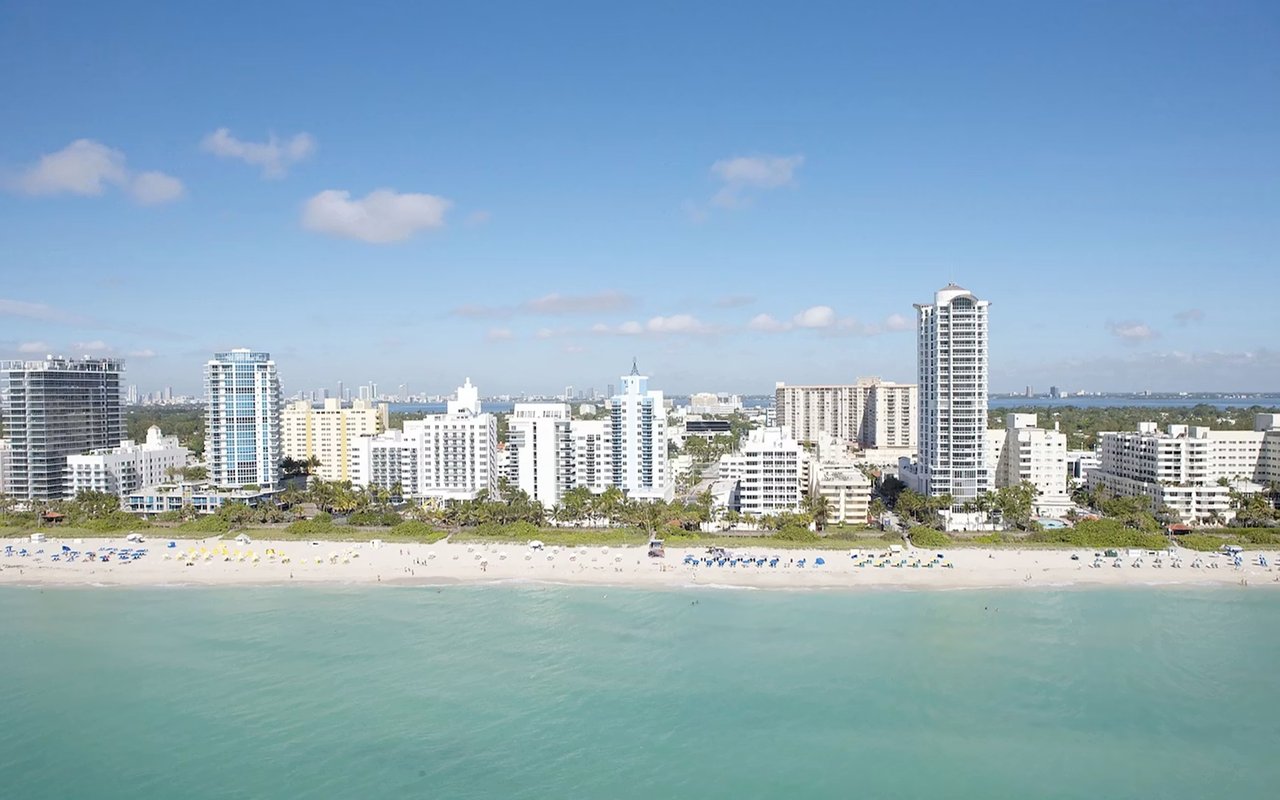
Thinking about turning your Bay Harbor Islands condo into a high-demand seasonal or 30–180 day rental? In this market, the right setup protects your permits, reduces friction, and lifts occupancy. You want strong seasonal income without surprises, clear compliance, and marketing that reaches quality tenants fast. This guide gives you practical steps, a compliance-first checklist, and positioning tactics tailored to Bay Harbor Islands. Let’s dive in.
Start with compliance
Confirm association approvals
Before you price or post, confirm your condominium’s rules. Review the declaration, bylaws, rental policy, recent meeting minutes, and insurance summaries. Many associations set minimum lease terms or limit short-term use. The Town requires written consent from your condo or cooperative as part of its application, so do not advertise until you have documented approval in hand. You can reference the town’s Business Tax Receipt checklist to see what the association must provide in writing.
- Town checklist and application: Bay Harbor Islands Business Tax Receipt and Vacation Rental License
Apply for the town license
Bay Harbor Islands requires registration before any vacation rental activity. The town’s rules define transient use and set occupancy, noise, and parking standards designed to protect neighborhood character. Violations can lead to suspension or revocation, so align your house rules and listings with the ordinance.
- Town ordinance overview: Article VI. Vacation Rentals
Know what the town requires
Your application typically includes proof of Florida sales tax registration, Miami-Dade tourist tax registration, a Miami-Dade BTR, corporate documents if applicable, a floor plan and parking sketch, and written condo consent. Expect building and life-safety inspections before issuance. The town’s form lists sample fees, including a processing fee, a license fee, and a per-unit registration fee. Confirm current amounts when you apply.
- Required items and inspections: Town BTR checklist and application
Register and price for taxes
Florida treats rentals of living or sleeping accommodations for six months or less as taxable. You must register with the Florida Department of Revenue and verify how Miami-Dade tourist and convention taxes apply to your exact address. Some platforms may remit certain taxes, but you are responsible for correct registration and filings.
- State and local tax guidance: Florida Department of Revenue — local option taxes
Designate a local responsible party
Bay Harbor Islands requires a responsible party who lives within 30 miles, is available 24/7, and can respond within two hours. The party must keep an occupant register and provide printed ordinance summaries to guests. Post the 24/7 contact in your welcome materials and at the entry to help prevent code complaints.
- Responsible party and standards: Article VI. Vacation Rentals
Price and demand snapshot
Rents and seasonality
Bay Harbor Islands rents trend well above the U.S. average, and platform snapshots place average or median monthly rents in the low to mid thousands. Use live data to set expectations for mid-term pricing and to benchmark furnished offerings at your floor plan and finish level. Regional demand surges during winter and key events, which supports seasonal strength and solid off-season mid-term interest.
- Live market snapshot: Zillow Bay Harbor Islands rental trends
- Event-driven tourism context: Greater Miami tourism momentum
Who books mid-term in this area
You can reach several strong renter profiles with a furnished, move-in ready condo. Corporate travelers and transferees often need 1–6 months. Travel nurses and medical staff value reliable Wi‑Fi, a workspace, and in-unit laundry. Snowbird renters prioritize comfort and proximity to beaches and shopping. Remote workers look for quiet, strong internet, and a desk.
- Monthly channel example: Furnished Finder
- Miami-area STR performance context: AirDNA market commentary
Position your condo to win
Furnish for mid-term value
If your association allows it, furnish with durable, modern pieces and a streamlined look. Mid-term tenants choose convenience and speed. A furnished unit can shorten vacancy and open more channels, especially in the winter season. If your building prefers longer terms, consider a hybrid plan: furnish for seasonal mid-term bookings and stay flexible if you pivot to a longer lease later.
Amenities that matter most
- Essentials: high-speed Wi‑Fi, a real desk and chair, comfortable queen or king mattress, full kitchen kit, in-unit washer/dryer, blackout curtains, ample storage, AC and ceiling fans.
- Convenience: keyless entry, clear streaming instructions, quality linens and towels, starter pantry items, beach gear, iron and board, a printed guide with building rules and local tips.
- Compliance: post required town materials at the front door and communicate parking and quiet hours to prevent complaints.
Photos and tours that convert
Invest in professional photography and a realistic virtual tour. Polished visuals boost listing views and help remote or international renters decide faster. Include a floor plan, short video walk-throughs, and shots of building amenities and parking.
- Visual standards and data: NAR insights on staging and media
Suggested shot list: exterior and entry, living room wide angle, kitchen, bedrooms, workspace, baths, balcony or view, amenities, and a twilight hero image where appropriate.
Distribution that reaches real tenants
- 30–180 day stays: publish on monthly and corporate-housing channels such as Furnished Finder and direct-to-corporate contacts. Build a simple direct inquiry path to reduce platform fees where appropriate.
- Seasonal short stays: if your association and town approvals permit, syndicate to select OTAs with clear house rules and minimums that match local standards.
- Messaging: emphasize move-in readiness, parking clarity, building amenities, and quiet, compliant operation.
Smart pricing moves
Work backward from your target net. Model occupancy, cleaning, utilities, furnished wear-and-tear, platform fees, and taxes. Offer meaningful monthly discounts for 30+ day stays, but protect peak season by limiting auto-discounts during major event weeks. Review comps monthly and watch how demand shifts between winter peak and shoulder months.
Operations that protect yield
Screening and documentation
Create a written, consistent screening policy that follows federal Fair Housing guidance. Use objective, relevant criteria, allow applicants to dispute negative reports, and keep records of decisions and adverse-action notices as required.
- HUD-aligned screening guidance: Equal Housing resource
Insurance and risk management
Confirm how your building’s master policy coordinates with your HO‑6 or landlord coverage. Many standard policies exclude business or short-term activity. Add endorsements built for furnished, mid-term or short-term rentals, including liability for amenities and loss of rental income. Consider flood coverage if your lender or flood zone requires it.
- STR coverage overview: Florida All‑Risk short-term rental insurance
House rules that prevent friction
Translate the town’s and building’s standards into plain house rules. Clarify parking, occupancy, quiet hours, amenity access, and guest registration needs. Share printed ordinance summaries as required by the town and place a copy in your welcome guide.
Pre-list launch checklist
- Confirm condo eligibility in writing and collect association rules and any tenant registration steps.
- Complete the Town of Bay Harbor Islands BTR application and inspections. Post the certificate where required.
- Register with the Florida Department of Revenue and verify Miami-Dade tourist tax requirements for your address.
- Appoint a responsible party within 30 miles and publish the 24/7 contact.
- Purchase landlord/HO‑6 coverage with short-term rental endorsements and review flood requirements.
- Furnish and stock the unit for mid-term stays; set house rules aligned to town and building standards.
- Hire a pro photographer and produce a 3D or video tour. Prepare a floor plan.
- Build a Fair Housing-compliant screening flow with documented criteria and record keeping.
- Publish on monthly and corporate channels, and on select OTAs only if your approvals allow it.
When to bring in a local advisor
If you want a turnkey path to seasonal and mid-term demand, a boutique, marketing-first approach saves time and protects your asset. You get guidance on BTR and tax steps, polished media like virtual tours, and distribution that reaches corporate and international renters. You also have a single point of contact to align house rules, screening, and pricing with your building and the town.
If you are considering buying or repositioning a condo for this strategy, connect with an advisor who understands Bay Harbor Islands, Bal Harbour, and the broader coastal corridor. For discreet, multilingual guidance and marketing that travels well across portals and borders, schedule a private consult with Carolina Bustillos.
FAQs
What approvals do I need before listing a Bay Harbor Islands condo for seasonal or mid-term rentals?
- You need written condo consent, a Town of Bay Harbor Islands vacation-rental Business Tax Receipt with inspections, and state and county tax registrations before advertising.
How are taxes handled on a three-month Bay Harbor Islands condo rental?
- Florida treats rentals under six months as taxable, and Miami-Dade adds local tourist taxes; register with the state, confirm the combined local rate for your address, and price to include taxes.
Does Bay Harbor Islands require a local contact for vacation rentals?
- Yes, you must designate a responsible party who lives within 30 miles, is available 24/7, can respond within two hours, and provides printed ordinance summaries to occupants.
What documents typically go into the town’s vacation-rental application?
- Expect Florida DOR registration proof, Miami-Dade tourist tax registration, a Miami-Dade BTR, a floor plan and parking sketch, corporate docs if applicable, and written condo consent, plus required inspections.
Which platforms work best for 30–180 day furnished stays near Bal Harbour and Miami Beach?
- Start with monthly and corporate channels such as Furnished Finder and direct corporate contacts; add select OTAs for seasonal short stays only if your building and town approvals allow them.