Are you eyeing a brand‑new oceanfront residence in Bal Harbour and wondering how to secure the right unit, on the right terms, with confidence? You are not alone. With limited land and a boutique pipeline, Bal Harbour’s pre‑construction scene rewards early, informed decisions. In this guide, you will learn how reservations work, what deposits to expect, the legal protections you have in Florida, how to evaluate a project like Rivage, and where a specialist buyer agent adds real value. Let’s dive in.
Why Bal Harbour new development
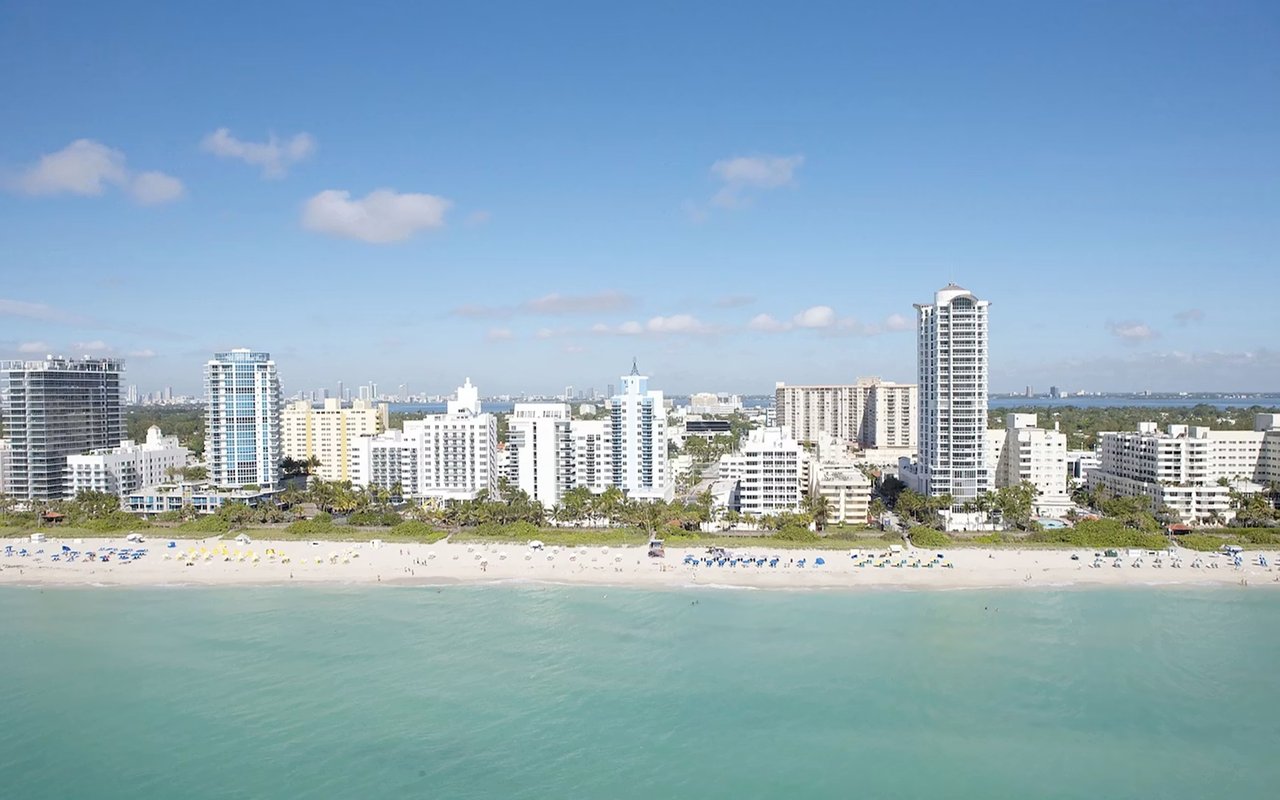
Bal Harbour is small, prime, and supply‑constrained. That scarcity supports ultra‑luxury projects that trade density for larger floor plans and privacy. Recent launches have focused on expansive, multi‑bedroom residences that live more like sky villas than traditional condos. This shift reflects both the site limitations and the expectations set by established towers like Oceana and St. Regis.
Developers are targeting a curated buyer pool rather than mass appeal. The result is fewer units, larger footprints, and elevated amenity programs. As reported in industry coverage, Bal Harbour’s thin pipeline and premium oceanfront land help sustain high valuations for top sites and signature residences. You see that strategy clearly in Rivage.
Rivage at a glance
Rivage (10245 Collins Ave.) is an oceanfront collaboration by Related Group, Two Roads Development, and Rockpoint. The building is designed for a small number of large residences with private elevators, private garages, and a wellness‑forward amenity program. You can preview the concept and lifestyle on the project’s official site in the vision section.
Rivage’s financing and timeline matter for buyer confidence. Lenders typically look for strong presales and capitalization before advancing construction funds. In late 2024, the developer team secured a reported $424 million construction loan, a meaningful signal of project momentum. Developer materials indicate a mid‑to‑late decade delivery window, with marketing pointing to a 2027 completion target.
- Explore the project’s design vision: Rivage Bal Harbour
- Read financing coverage: Related, partners score $424M loan for Bal Harbour condos
How the process works
Below is a step‑by‑step view of a typical South Florida pre‑construction purchase. Always confirm the exact process and dates in the project’s reservation program and purchase agreement.
Step 1: Reservation
- Purpose: Hold your preferred line or unit while the developer finalizes contracts.
- Escrow: Reservation funds must be paid to an independent escrow agent and are refundable on request until conversion to a binding contract. Florida’s condominium statute governs reservation programs and escrow terms.
- Your move: Ask for the reservation form, escrow agreement, and a dated receipt from the escrow agent.
Reference: Florida Condominium Act, Chapter 718
Step 2: Document delivery and 15‑day review
- Delivery: The developer must provide required condominium documents and a prospectus or developer disclosures.
- Protection: You have a statutory 15‑day rescission window after receipt to void the contract for any reason. This is your time to review the budget, rules, unit description, and contract terms with counsel.
- Your move: Calendar the 15 days, read the prospectus and budget closely, and have your attorney and specialist agent flag questions before the window closes.
Reference: 15‑day voidability and disclosures under Chapter 718
Step 3: Contract and staged deposits
- Structure: Modern luxury projects often require total deposits in the range of about 40 to 50 percent before closing, paid in stages tied to dates or milestones. Some project materials show examples like 20 percent at contract followed by additional stages during early construction, with the balance due at closing.
- Escrow mechanics: Florida law requires deposits to be held in escrow under specific conditions. Payments up to 10 percent must be held in escrow unless narrow release conditions are met. Beyond that, draws for construction can occur if expressly permitted in the contract.
- Your move: Confirm the exact schedule, triggers, and any developer draw rights in the contract and the escrow agreement.
Reference: Deposit escrow rules under Chapter 718
Step 4: Construction and inspections
- Progress: Track key milestones, including ground‑breaking, structure top‑off, and interior build‑out.
- Quality: Plan for a third‑party inspection or punch‑list specialist before closing. Keep all upgrade approvals and invoices in writing.
- Your move: Ask for construction updates and confirm the certificate of occupancy process and unit completion standards.
Industry note on financing signals: Loan closings and presales reporting help validate project momentum
Step 5: CO, closing, and move‑in
- Closing: You pay the remaining balance, sign closing documents, and receive keys once the unit is ready and the certificate of occupancy is issued.
- Costs: Expect documentary stamp tax, title insurance, recording fees, and association initiation or transfer fees. Party allocation and Miami‑Dade surtaxes vary by contract and local custom.
- Your move: Have your specialist agent and title counsel review the draft closing statement early.
Reference: Florida transfer tax basics and Miami‑Dade notes
Step 6: Post‑closing and HOA turnover
- Association: The developer typically controls the association at first, then transitions governance per statute and the documents.
- Warranty: Know your warranty periods for structural and non‑structural items and the process for submitting claims.
- Your move: Store all closing papers, warranties, and association rules in one place for future reference.
Your legal protections in Florida
Florida’s condominium statute provides core safeguards for pre‑construction buyers. Key points to understand:
- Reservation refunds: Until conversion to a binding contract, reservation deposits must be refundable upon written request under the filed reservation program.
- 15‑day rescission: After you receive the required condominium documents and prospectus, you have 15 days to cancel without penalty.
- Escrow of deposits: Payments are held by an escrow agent per statute. Funds up to 10 percent must stay in escrow unless narrow statutory conditions for release apply, and additional draws require clear contract language.
Learn more in the Florida Condominium Act, Chapter 718.
Deposits, timing, and risk signals
- Typical deposits: Expect staged deposits that total about 40 to 50 percent before closing, paid over 12 to 36 months depending on the schedule. Confirm exact percentages and dates in your contract.
- Financing and presales: Institutional construction loans paired with strong presales reduce execution risk. Rivage’s reported $424 million construction loan is a public marker that the capital stack is in place.
- Market fit: In Bal Harbour, most new units are large, high‑price residences marketed as single‑family alternatives. That positioning can support long lead times and curated presale campaigns.
Coverage: Related, partners score $424M loan for Bal Harbour condos
Closing costs in Miami‑Dade
- Transfer taxes: Florida documentary stamp tax applies to the deed and, where applicable, mortgage‑related taxes apply to loans. Miami‑Dade has county‑specific rates and surtaxes that affect the final number and who pays what. Confirm the current rates and customary allocations with your title counsel.
- Title and recording: Title insurance premiums, recording fees, and lender charges are standard line items. Some developers pay certain title costs, but customs vary by project and contract.
- Association fees: Expect an initiation or transfer fee and prepaid assessments at closing, as shown in the prospectus and budget.
Resource: How transfer tax works in Florida and Miami‑Dade
Use and rental rules
- Building rules: Condominium declarations and bylaws govern lease minimums, blackout periods, and approvals. These rules override an owner’s short‑term rental plans. Review them during your 15‑day rescission window.
- Village requirements: Bal Harbour enforces a local vacation rental framework with permits, taxes, and safety standards. Rules can change, so confirm with the village clerk or permitting office and verify your building’s policy before you plan any short‑term activity.
Read a practical overview of Bal Harbour’s short‑term rental requirements.
Buyer due‑diligence checklist
Use this checklist to stay organized from reservation to closing.
Before you reserve
- Confirm the escrow agent named in the reservation and request the escrow agreement. Get a receipt directly from escrow.
- Ask for the offering materials schedule, draft purchase agreement, and a copy of the budget and rules. Do not rely on verbal statements.
- Clarify allocation priority and whether your reservation rank affects unit selection. If assignment is important, confirm whether assignment is permitted and under what conditions or fees.
Statutory framework: Florida Condominium Act | Contract terms to review: Pre‑construction contract checklist
At contract negotiation
- Lock the deposit schedule: amounts, trigger dates, and any milestone‑based releases to the developer.
- Clarify square footage standards, finish packages, upgrade allowances, and parking and storage terms. Ask whether parking or storage is deeded or licensed.
- Nail down warranty terms and the punch‑list process in writing. Confirm realistic plans for financing or cash/bridge sources if you need them.
Helpful reference: Key contract terms to review and negotiate
Red flags to avoid
- Opaque escrow arrangements or contracts that allow broad withdrawals before real milestones.
- Missing prospectus, delays in document delivery, or unclear 15‑day rescission language.
- Developer with limited local completion record or no reported construction financing.
- No defined warranty or punch‑list procedures.
Use public reporting of construction loans and presales to help validate stability: Financing signals in the news
During construction and at closing
- Track permits, announced milestones, and targeted delivery dates. Confirm the certificate of occupancy process and unit completion standards.
- Schedule a third‑party inspection before closing and keep a clean paper trail of all upgrades and approvals.
- Review the closing statement early for transfer taxes, title premiums, recording fees, and association fees.
Where a specialist adds value
A development‑savvy buyer agent and local counsel protect your time and capital in a pre‑construction deal. Here is where that team moves the needle:
- Allocation and access: Early invitations and VIP previews can secure better floor plans and views before public release. A specialist with developer relationships can document allocation priority.
- Deposit structuring: Experienced negotiators can sometimes improve deposit timing, push for longer stages, or request credits for upgrades or parking when the project allows.
- Contract clarity: A specialist will flag assignment restrictions, escrow release triggers, and developer termination language, and coordinate legal review of your 15‑day rescission and unit description under Chapter 718.
- Closing coordination: Local expertise with Miami‑Dade customs helps you anticipate documentary stamp tax, title insurance allocations, and association fees, so there are no last‑minute surprises.
If you want a calm, high‑touch process from first preview to keys in hand, align with a team that handles these details daily in Miami’s coastal market.
Ready to explore allocations, model plans, and deposit options with a boutique, multilingual advisor? Connect with Carolina Bustillos to schedule a private consultation.
FAQs
What makes Bal Harbour pre‑construction unique?
- Bal Harbour has very limited land and a thin new‑supply pipeline, so developers focus on fewer, larger residences with elevated amenities, which supports premium pricing and careful presale programs.
How safe are my deposits in a Florida new condo?
- Florida’s Chapter 718 requires deposits to be held in escrow under defined rules, with payments up to 10 percent held unless narrow release conditions are met and a 15‑day rescission after document delivery protects buyers.
What is the 15‑day rescission right for new condos?
- After you receive required condominium documents and the prospectus, you have 15 days to cancel the contract for any reason; review the exact statutory language and disclosures in Chapter 718.
How much are typical deposits in Bal Harbour projects?
- Many luxury launches expect staged deposits totaling roughly 40 to 50 percent before closing, though exact percentages and timelines vary by project and must be confirmed in the contract and escrow agreement.
What closing costs should I expect in Miami‑Dade?
- Plan for documentary stamp tax on the deed, potential mortgage‑related taxes, title insurance, recording fees, and association initiation or transfer fees; Miami‑Dade has county‑specific rates and customs, so confirm with title counsel, guided by resources like this transfer tax overview.
Can I use a unit for short‑term rentals in Bal Harbour?
- It depends on your building’s condominium rules and village requirements; review association documents during your rescission period and confirm local permit needs using resources such as Bal Harbour’s vacation rental summary.
How do I evaluate a developer and project risk?
- Look for reported construction financing, clear escrow terms, a defined warranty program, on‑time permitting histories, and a local completion track record; public loan closings and presale momentum are helpful validation signals.