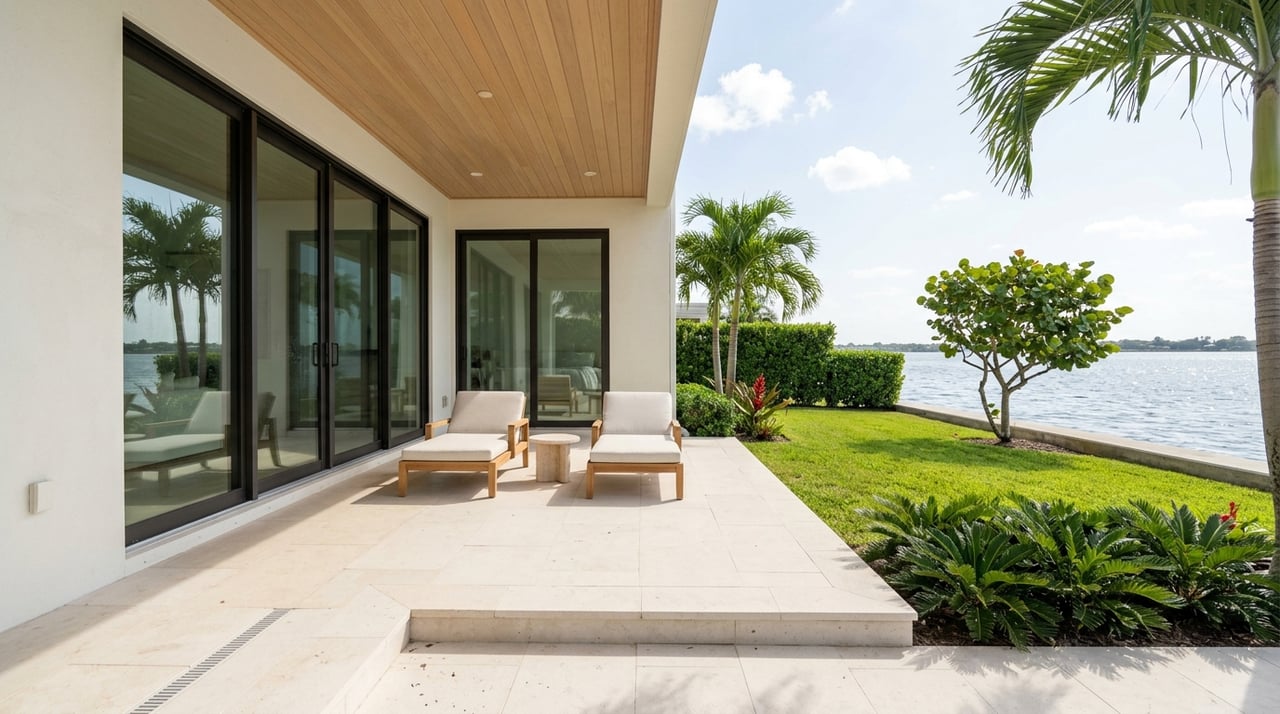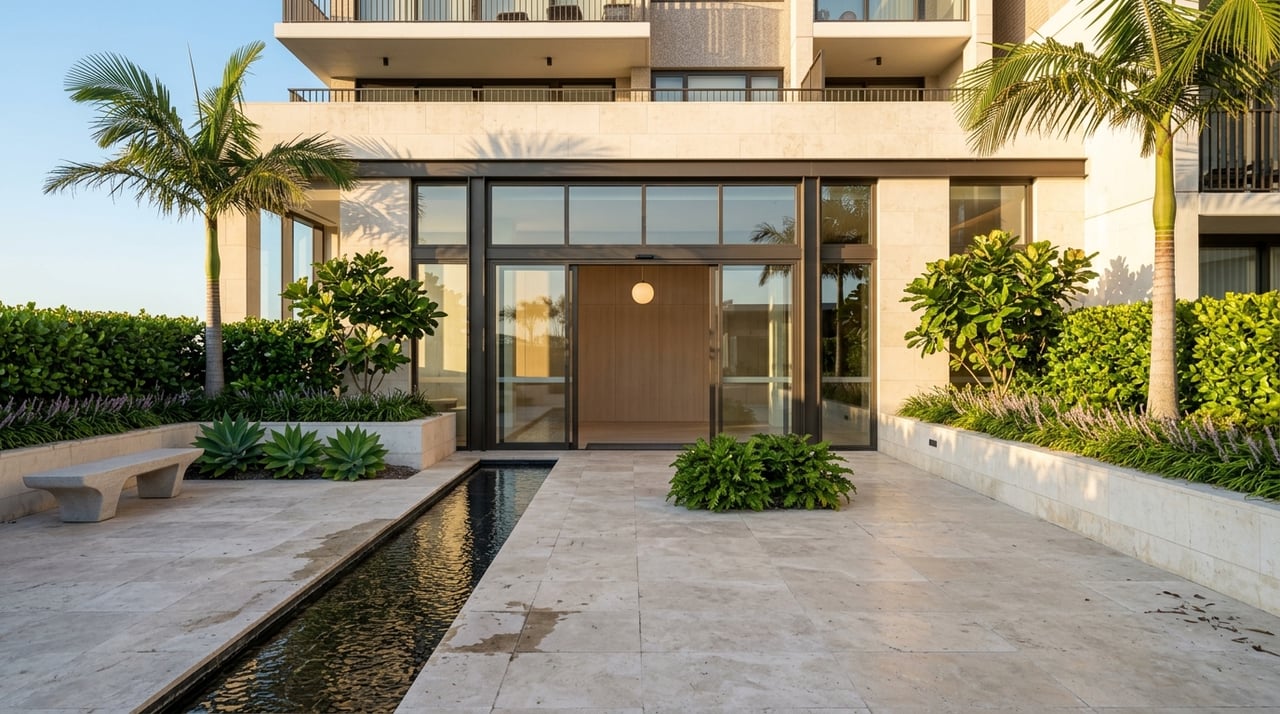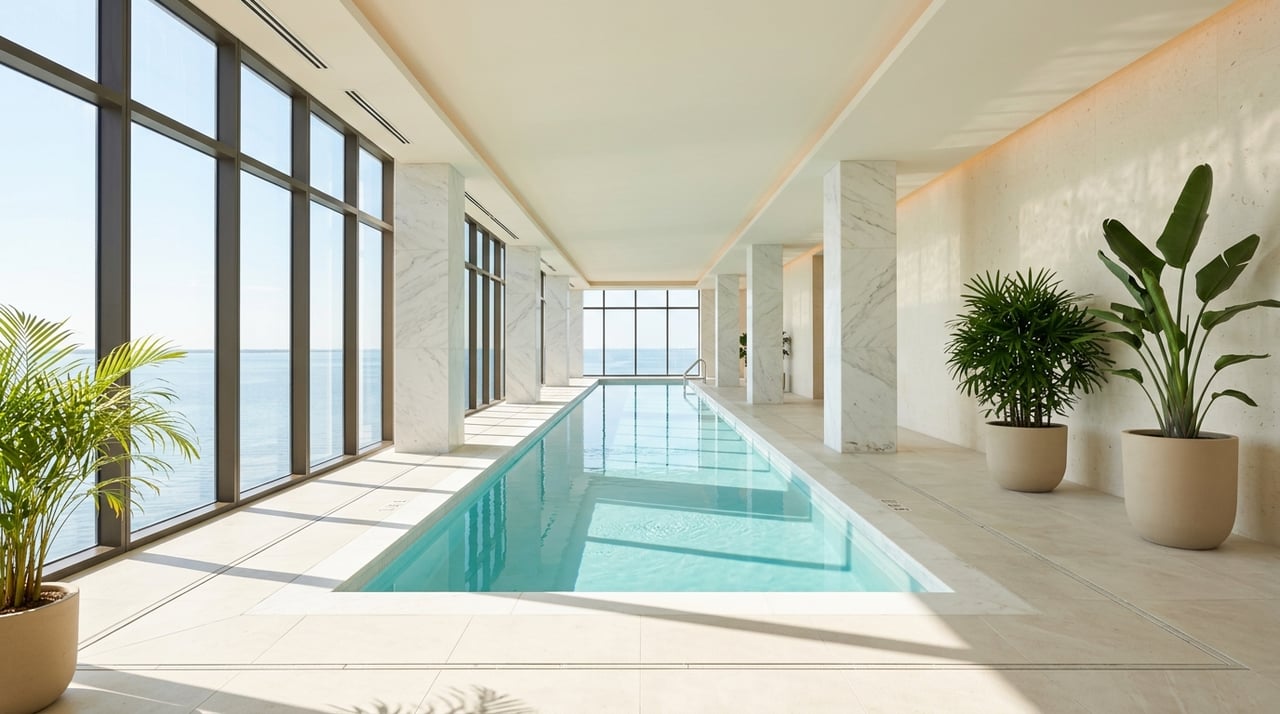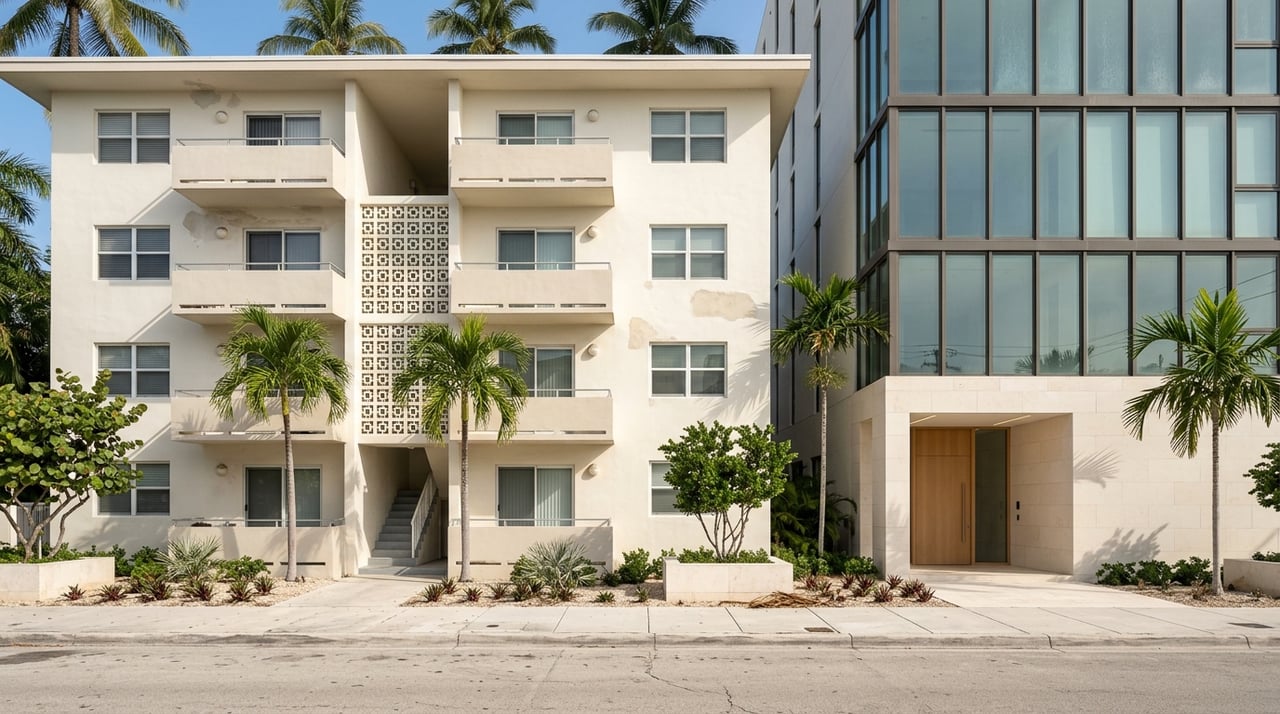
Torn between an oceanfront address and a quiet bay‑island vibe? You are not alone. Many Miami buyers weigh the prestige and services of Bal Harbour against the intimate, neighborhood feel of Bay Harbor Islands. In a few minutes, you will see how these two condo markets differ on lifestyle, building types, ongoing costs, rental rules, safety, and due diligence so you can choose with confidence. Let’s dive in.
Quick snapshot: two distinct condo markets
| Feature | Bal Harbour | Bay Harbor Islands |
|---|---|---|
| Setting | Oceanfront at the north tip of Miami Beach | Two residential islands on Biscayne Bay |
| Lifestyle | Resort-style, luxury services, immediate beach access | Quieter streets, boutique buildings, short hop to the beach |
| Buildings | Mostly luxury high‑rises, condo‑hotels, full‑service towers | Mid‑rises and boutique condos, townhomes, some single‑family |
| Amenities | Private beach access, valet, concierge, spa-level fitness | Pool and gym common, assigned parking, fewer hotel-style services |
| Price positioning | Premium due to oceanfront, brand-name buildings | Generally lower median prices for similar square footage |
| HOA fees | Often higher to support extensive staffing and services | Typically lower, varies by building age and reserves |
| Typical buyer profile | Second-home and international buyers seeking views and services | Owner‑occupants and value‑driven buyers wanting neighborhood convenience |
For local context, explore the Village of Bal Harbour’s official site and the Town of Bay Harbor Islands site.
Who should choose Bal Harbour
When Bal Harbour fits you
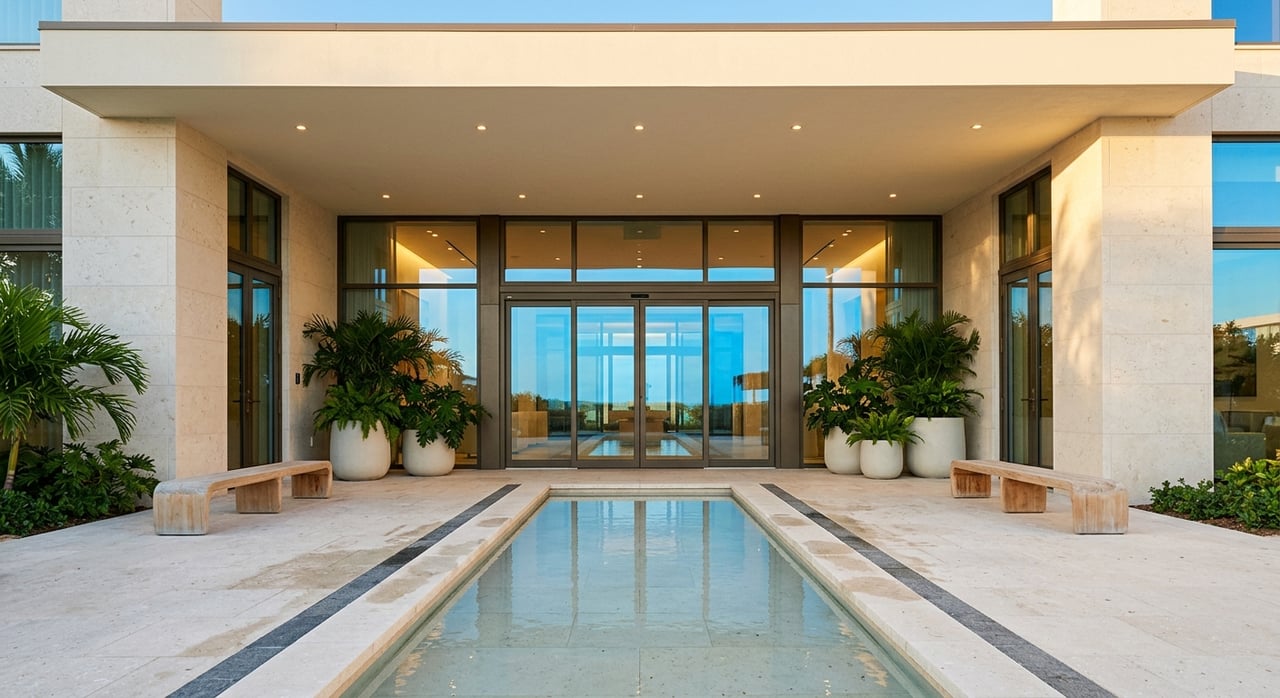
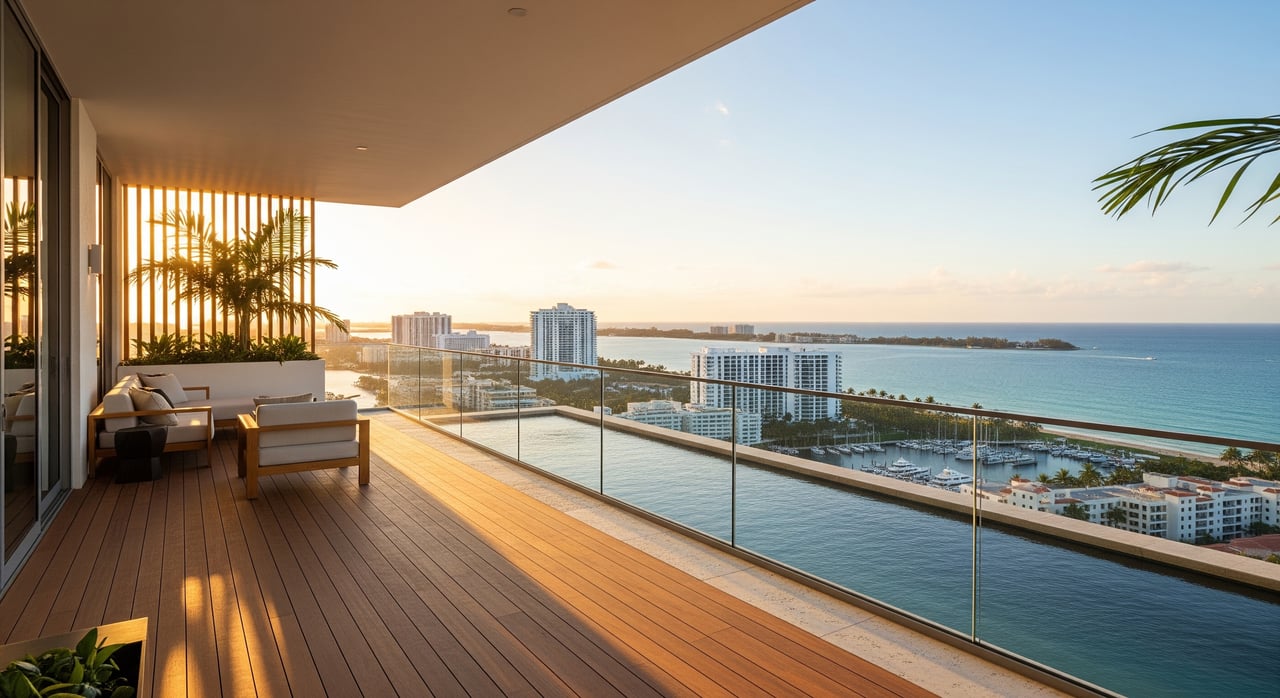
If oceanfront living, panoramic views, and a five‑star service stack are your top priorities, Bal Harbour delivers. You will be steps from the beach and a short walk to luxury retail and dining. The tradeoff is a higher budget and higher monthly carrying costs in many buildings.
What to expect in Bal Harbour buildings
You will find high‑rise towers with hotel‑style amenities, elegant lobbies, staffed entrances, and secure garage parking. Units often offer large terraces and premium finishes. Buildings may have rental restrictions that favor owner usage, so confirm policies if you plan to rent.
Ownership costs to budget for
Expect HOA fees that reflect beach maintenance, valet and concierge teams, enhanced security, and resort‑level amenities. Review reserve funding, any planned capital projects, and whether special assessments are on the horizon. Your total monthly picture should include HOA, insurance, and taxes.
Who should choose Bay Harbor Islands
When Bay Harbor Islands fits you
If you want a quieter residential setting, boutique buildings, and convenient access to local services, Bay Harbor Islands is a strong fit. You can be on the sand or at high‑end shopping within minutes, yet enjoy a calmer day‑to‑day environment.
What to expect in Bay Harbor buildings
Most properties are mid‑rise or boutique in scale with practical amenities like pools, gyms, and assigned parking. You will also see townhomes and nearby single‑family areas that add to the neighborhood feel. HOA fees vary widely by building condition and reserves, but they are often more modest than oceanfront towers.
Ownership costs to budget for
Fees generally reflect smaller staffing and fewer hotel‑level services. Still, older buildings across Miami‑Dade can require concrete restoration, waterproofing, and other capital work. Always check reserves, inspection reports, and meeting minutes for potential assessments.
Costs beyond the purchase price
HOA fees and assessments
Budget for monthly dues that cover building staff, common areas, insurance on the structure, and reserves. In Bal Harbour, fees often run higher due to service levels. In either market, ask for the current budget, reserve study, and the last 12 to 24 months of meeting minutes. Look for planned projects that could lead to special assessments.
Flood and hurricane insurance
Both locations are coastal. Associations typically carry a master policy for the building, while you carry an HO‑6 policy for the interior and your belongings. Flood zones and elevation matter. Review the property’s flood zone and elevation with the FEMA Flood Map Service Center and explore longer‑term trends with the NOAA Sea Level Rise Viewer. Insurance markets change, so it helps to understand statewide trends via the Florida Office of Insurance Regulation.
Property taxes and closing costs
Florida has no state income tax. Property taxes vary by assessed value and municipality. For an estimate on a specific address, use the Miami‑Dade Property Appraiser. Buyers should also budget for customary closing costs like title, recording, and lender fees; sellers typically cover brokerage commissions and prorations.
Safety, inspections, and reserves after Surfside
Following the 2021 Champlain Towers South collapse, requirements for structural recertifications, reserve studies, and oversight gained new urgency. In Miami‑Dade, buyers and sellers should be ready to provide and review detailed building documentation.
- Ask for recent structural or engineering reports, concrete restoration plans, and the building’s reserve study.
- Review 12 to 24 months of HOA meeting minutes to spot deferred maintenance or upcoming projects.
- Confirm compliance with current inspection timelines and permitting. You can learn more about statewide condo oversight through the Florida DBPR’s condominium resources.
This level of review protects your investment and affects financing eligibility, resale, and insurance.
Renting your condo and financing
Rental rules vary by building
Short‑term rentals may be allowed in a few buildings, often in condo‑hotel properties, but many associations limit the number of leases per year or require minimum lease lengths. Before you submit an offer, review the declaration, bylaws, and rental rules. Plan for any application lead times or move‑in fees.
Lender approval matters
Condo financing depends on the building’s financial and physical health. Lenders review reserves, litigation, occupancy mix, and rental caps. If you need financing, verify project eligibility early. Jumbo loans or cash may be more common in luxury or condo‑hotel environments. For market context and trends by area, consult Miami Association of Realtors market reports, then pair that with building‑level diligence.
Due diligence checklists
Buyer checklist
- Request condo documents: declaration, bylaws, rules, resale certificate or estoppel.
- Review financials: current budget, audited statements, reserve study, and bank statements.
- Examine structural reports, concrete restoration plans, and permit history.
- Confirm master insurance coverage and windstorm deductibles; obtain your HO‑6 quote.
- Read HOA minutes for the last 12 to 24 months and ask about planned assessments.
- Verify rental rules, leasing caps, and any waiting periods.
- Check flood zone and elevation via FEMA, then discuss coverage options with your insurer.
- Confirm parking, storage, and any unit‑specific repairs or upgrades.
Seller checklist
- Assemble a full, current package: HOA docs, estoppel, budget, and reserve study.
- Share recent engineering or inspection reports and project updates.
- Address minor repairs and present the property to highlight views and amenities.
- For oceanfront luxury, emphasize service levels and proximity to retail and dining.
- For boutique or bay‑side properties, highlight walkability and access to local services.
How to make your decision
- Define your lifestyle priorities. If daily beach access and five‑star services lead, Bal Harbour likely fits. If a quieter, boutique setting near services is the goal, focus on Bay Harbor Islands.
- Set a realistic total monthly budget. Include HOA, insurance, and taxes, not just the mortgage.
- Walk the blocks and test the commute. Visit at different times of day.
- Compare building documents line by line. Look at reserves, engineering reports, and minutes.
- Confirm financing path and timeline early. Some buildings require more documentation.
- Track current market momentum with Miami Association of Realtors market data and refine your offer strategy accordingly.
If you want a guided, private comparison of specific buildings that match your criteria, schedule a consultation with Carolina Bustillos. You will get boutique, marketing‑driven insight, access to curated development opportunities, and a clear plan from first tour to closing.
FAQs
How do Bal Harbour and Bay Harbor prices compare?
- Bal Harbour typically commands higher prices due to oceanfront location and luxury services, while Bay Harbor Islands often offers relatively lower median prices across a wider mix of boutique buildings.
What HOA fees should I expect in each market?
- Fees vary by building, reserves, and services. Bal Harbour towers often have higher dues for valet, concierge, and beach operations, while Bay Harbor mid‑rises tend to have more modest staffing and lower fees.
Can I rent short‑term in these areas?
- It depends on the building. Some condo‑hotels allow short‑term rentals, but many associations restrict lease length or the number of leases per year. Always confirm rules before you buy.
How do flood zones affect my costs?
- Flood zone and elevation influence insurance pricing and requirements. Review the property’s FEMA flood map details and building elevation, then get insurance quotes before you finalize a purchase.
Will lenders finance my chosen building?
- Lenders evaluate the building’s reserves, litigation, occupancy mix, and leasing policies. Get lender feedback on project eligibility early and be prepared with complete HOA documents.