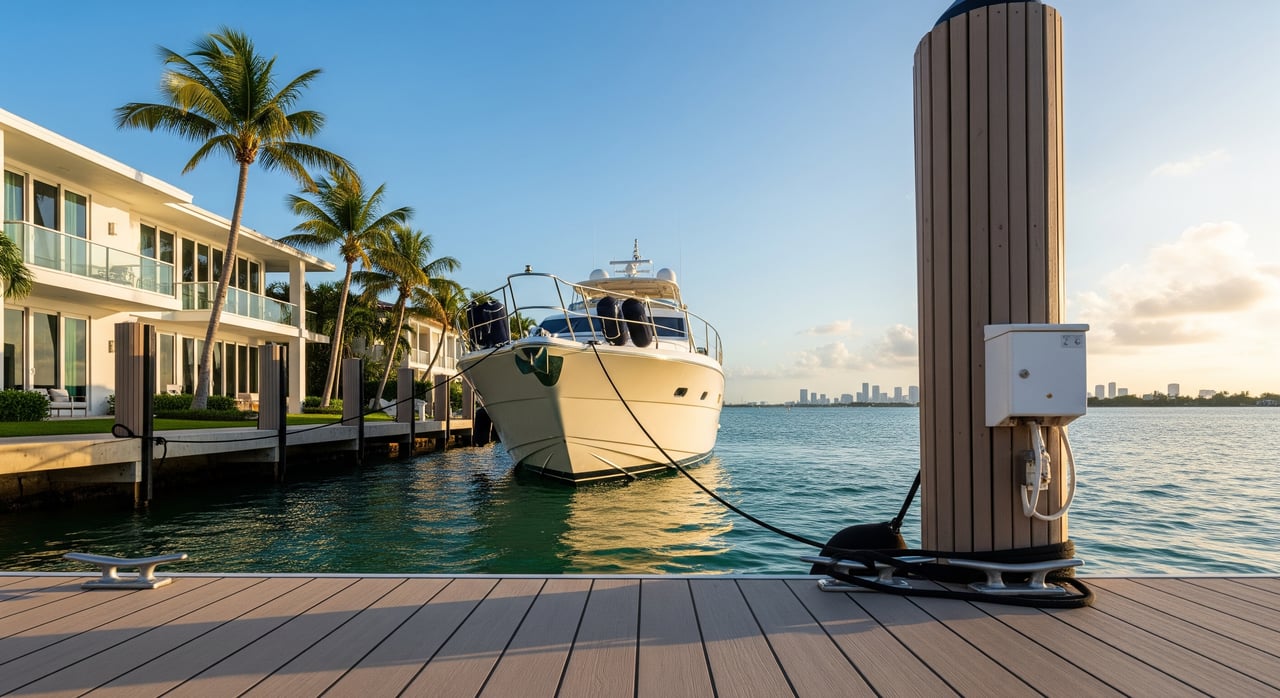
If boating is part of your lifestyle, Bay Harbor Islands makes daily time on the water feel effortless. You have canals that open to Biscayne Bay, quick routes to the Intracoastal, and straightforward access to the Atlantic through established channels. If you are comparing private docks to marina slips or weighing a condo with a deeded berth, knowing the options and rules can save you time and money. This guide gives you a clear view of dockage types, what to inspect, key permitting, and how these choices affect value. Let’s dive in.
Why Bay Harbor Islands works for boaters
Bay Harbor Islands sits on two manmade islands in Biscayne Bay between Bal Harbour and Surfside. Many properties line residential canals with direct bay access, which means less time idling and more time cruising. There are no long fixed bridges in the immediate area that would block most recreational boats, so bridge clearance is rarely the limiting factor. Tides in Biscayne Bay are modest, but you should still confirm depth and dock clearance if your vessel has a deeper draft.
The waters here are urban bay conditions. Expect variable depths near canals, steady boat traffic on weekends, and manatee presence in some areas. Hurricane season also matters. Your plan for tie-up, haul-out, or relocation should be part of any purchase or lease decision.
Dockage options at a glance
Private residential docks
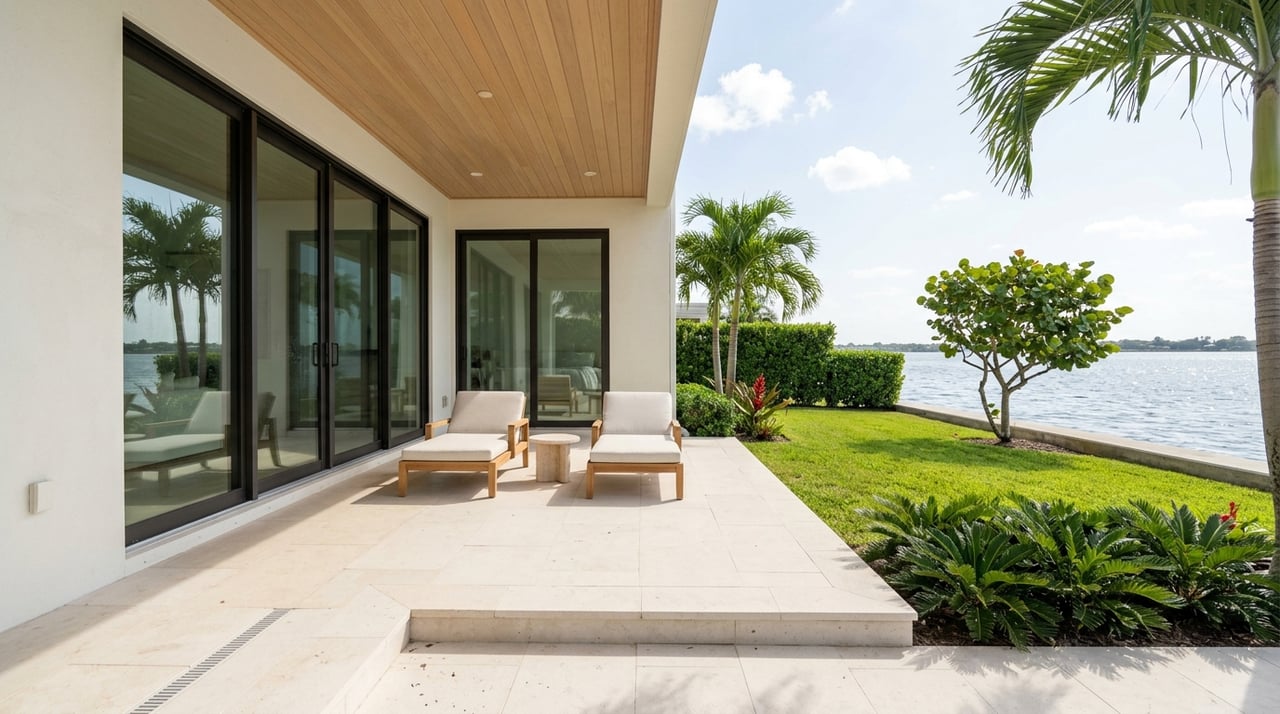
Single-family homes and some townhomes may offer a private dock attached to the property. In some cases, the dock is deeded and owned by the homeowner. In others, it may be part of a community arrangement with shared rules and maintenance. Private ownership gives you the most control, but it also means you are responsible for upkeep, insurance considerations, and compliance with permits.
If you are eyeing a private dock, evaluate structural integrity, water depth at mean low water, and the maneuvering room in the canal. Confirm the maximum vessel length and beam allowed by the dock geometry and any local rules. Shore power, potable water, lighting, and fendering make daily use safer and more comfortable.
HOA and deeded condo slips
Several waterfront condo and townhome communities offer assigned slips that are deeded or leased. Deeded slips typically transfer with the property title, while licenses or leases might not. Association rules vary by building, so you should check transferability, guest policies, tenant use, and any waiting lists. Fees for slip assignment or transfer can apply and should be part of your budget.
Nearby public and private marinas
You will find a mix of municipal marinas, private marinas with seasonal or transient berths, and member-only yacht clubs across greater Miami. Areas to explore include public options in the North Miami Beach and Haulover corridors, as well as private facilities in Bal Harbour and Miami Beach. Typical services to look for include fuel, pump-out, power, water, restrooms, security, onsite maintenance, and transient accommodations if friends arrive by boat.
Dry storage and dry stack
Dry stack facilities are popular for smaller boats. Your boat is stored on racks and launched by forklift on demand. This can reduce bottom maintenance, simplify hurricane planning, and free up space at home. If you plan to run offshore only on select days, dry storage can be a low-maintenance choice.
Moorings and anchorages
Some areas of Biscayne Bay may allow moorings or anchoring. Availability and rules differ and can be affected by environmental protections. If you prefer this approach, confirm local restrictions, durations, and fees before you commit.
Boatyards and repair
Larger Miami marinas and boatyards offer haul-out, maintenance, and repair for a range of vessel sizes. For dock work at a home, you can find marine contractors who handle pilings, decking, and seawalls. Always confirm that any planned work meets permitting requirements and environmental protections.
What to check before you buy
Buying a waterfront property or a residence with slip access requires a deeper review. Use this checklist to protect your plans and your budget.
Title and transferability
- Confirm whether the slip is deeded, leased, or an unrecorded license.
- Review HOA governing documents for assigned slips, waiting lists, or transfer fees.
- Verify recorded easements for boat access and upland service access.
Permits and compliance
- Request copies of permits for the dock, pilings, electrical, and any seawall work.
- Verify certificates of completion and check for open violations or unpermitted work.
- If dredging or major repair occurred, confirm compliance with federal, state, county, and town approvals.
Condition assessment
- Inspect pilings, decking, cleats, hardware, ladders, and fendering.
- Review shore power condition and capacity, lighting, and GFCI protections.
- Look for rot, marine borer damage, corrosion, structural movement, or submerged debris.
Depth, fit, and maneuvering
- Measure usable slip length and beam, accounting for pilings and fenders.
- Confirm water depth at mean low water at the dock and along the access route.
- Evaluate turning radii in the canal and note prevailing wind and current patterns.
Utilities and services
- Confirm power availability and capacity (volts and amps).
- Check for potable water and pump-out options nearby.
- Ask about security lighting and camera coverage if relevant.
Costs and obligations
- Review HOA assessments tied to docks and any separate slip fees.
- Estimate future capital needs such as seawall replacement or dock rehabilitation.
- Confirm insurance requirements for both the dock and your vessel.
Hurricane preparedness
- Obtain the marina or HOA hurricane plan in writing.
- Confirm expectations for haul-out, relocation, or tie-up procedures.
- Check how storm plans affect insurance and any required reservations.
Smart moves for sellers
If you are selling a waterfront property, help buyers say yes with a clear, complete dock package.
- Gather permits, engineering reports, maintenance records, and insurance certificates.
- Provide HOA rules for dock use, transferability, and guest or tenant policies.
- Disclose known defects, restrictions, or shared seawall responsibilities.
- Highlight proximity to bay routes and nearby service options for fuel, pump-out, and repairs.
- Present the dock as carefully as the home with accurate measurements, depth notes, and professional visuals.
A well-documented dock reduces buyer uncertainty and supports value, especially in a market where waterfront features are a major decision driver.
Permits, rules, and the environment
Dock construction and modifications in Bay Harbor Islands involve multiple authorities. The U.S. Army Corps of Engineers regulates structures and dredging in navigable waters. At the state level, the Florida Department of Environmental Protection and Florida Fish and Wildlife Conservation Commission oversee submerged lands, seagrass protection, and wildlife. Miami-Dade County and the Town of Bay Harbor Islands manage local building, environmental review, and coastal construction rules. The U.S. Coast Guard Sector Miami provides navigation and safety advisories.
Environmental safeguards shape what you can build. Seagrass and benthic habitats are protected. If work could impact them, mitigation may be required. Manatee protection and speed zones are enforced, and construction may need timing or avoidance measures. Water quality requirements often include turbidity controls and best practices to limit discharge.
Construction must meet coastal codes and hurricane considerations. Structural engineering, wind loads, and storm surge factors drive design. Replacement and substantial repairs often must be brought up to current Miami-Dade standards. Seawall condition is central to safe docking and may influence insurance and financing, so plan inspections early.
Insurance is another key piece. Homeowner or condo policies may limit coverage for docks. Marinas and HOAs frequently require proof of liability and hull insurance for any boat kept onsite. Clarify requirements before closing or signing a slip agreement.
Cost drivers and value impact
Dock and slip pricing reflect a few major variables. Location and demand are primary, with close-in Biscayne Bay access typically commanding higher value. Slip size and depth matter, along with amenities such as shore power, water, security, and pump-out. Terms also affect pricing: transient daily rates, seasonal leases, long-term rentals, or deeded ownership have different cost profiles. Proximity to open water and the ease of navigation can also influence rates.
Waterfront properties with private or deeded dock access are often more desirable to boat owners and can command a premium. The exact premium varies by property, slip size, and dock quality. Conversely, aging structures, restrictive rules, or non-transferable licenses can complicate a sale or reduce value. Seasonality plays a role too, with winter demand often tightening availability and raising transient rates.
How we help you decide
Choosing the right dockage in Bay Harbor Islands is about matching your vessel and lifestyle to the right property or marina plan. You want clear documentation, a safe and functional setup, and a plan for storms and maintenance. Our approach puts your needs first. We help you evaluate title and transferability, gather permits and association rules, and align the slip with how you plan to use your boat.
If you are selling, we advise on presenting your dock as an asset, from accurate measurements to clear documentation. If you are buying, we help you focus on the key points that affect access, safety, and long-term costs. For tailored guidance and a smooth process from search to closing, connect with Carolina Bustillos.
Next steps and local contacts
For the most current rules, availability, and procedures, go straight to the source. These steps will help you verify any dockage claim before you rely on it.
- Request and review dock permits and inspection records.
- Confirm slip ownership status and transferability in title and HOA documents.
- Order a marine survey or qualified dock inspection for structural and depth confirmation.
- Contact the Town of Bay Harbor Islands and Miami-Dade County for permit status and any open issues.
- Consult the Florida Department of Environmental Protection and the U.S. Army Corps of Engineers for any required approvals.
- Review boating and manatee protections with the Florida Fish and Wildlife Conservation Commission.
- Check navigation and safety advisories with the U.S. Coast Guard Sector Miami.
- Verify marina or HOA rules in writing, including size limits, guest policies, and transfer fees.
FAQs
Do Bay Harbor Islands canals have bridge clearance limits to the ocean?
- There are no long fixed bridges that typically restrict recreational boats in the immediate area, and routes connect through Biscayne Bay and the Intracoastal to Atlantic channels.
How do deeded condo slips work in Bay Harbor Islands?
- A deeded slip transfers with the unit’s title, while a license or lease may not; always confirm the status in property records and HOA governing documents.
What permits are required to build or modify a dock?
- Most projects need local building permits, county coastal and environmental review, state approvals, and possibly a U.S. Army Corps of Engineers permit if navigable waters are affected.
How can I confirm my boat will fit a specific slip?
- Measure usable length and beam, account for pilings and fenders, confirm depth at mean low water, and review maneuvering room; a marine survey provides reliable confirmation.
Are there special hurricane procedures for marinas and HOAs?
- Many require a predefined hurricane plan that can include haul-out reservations, relocation, or specific tie-up steps; obtain and review the plan in writing.
What environmental rules affect dock work and boating here?
- Seagrass protections, manatee speed zones, and water quality controls apply, and permits often include mitigation or timing conditions to protect local habitat.
Who maintains the dock at a waterfront property or condo?
- Maintenance responsibility depends on ownership documents and agreements, so verify whether the owner, HOA, or marina is responsible in writing before closing.