Picture yourself landing in Miami, dropping your bags, and heading straight to the beach before dinner. If you live abroad, making a pied-à-terre in Bal Harbour work can feel complex. The good news: with the right plan, you can secure a lock-and-leave residence and handle most steps from overseas. In this guide, you’ll learn how to choose the right building, understand the timeline, prepare documents, and coordinate a remote closing with confidence. Let’s dive in.
Why Bal Harbour works for a pied-à-terre
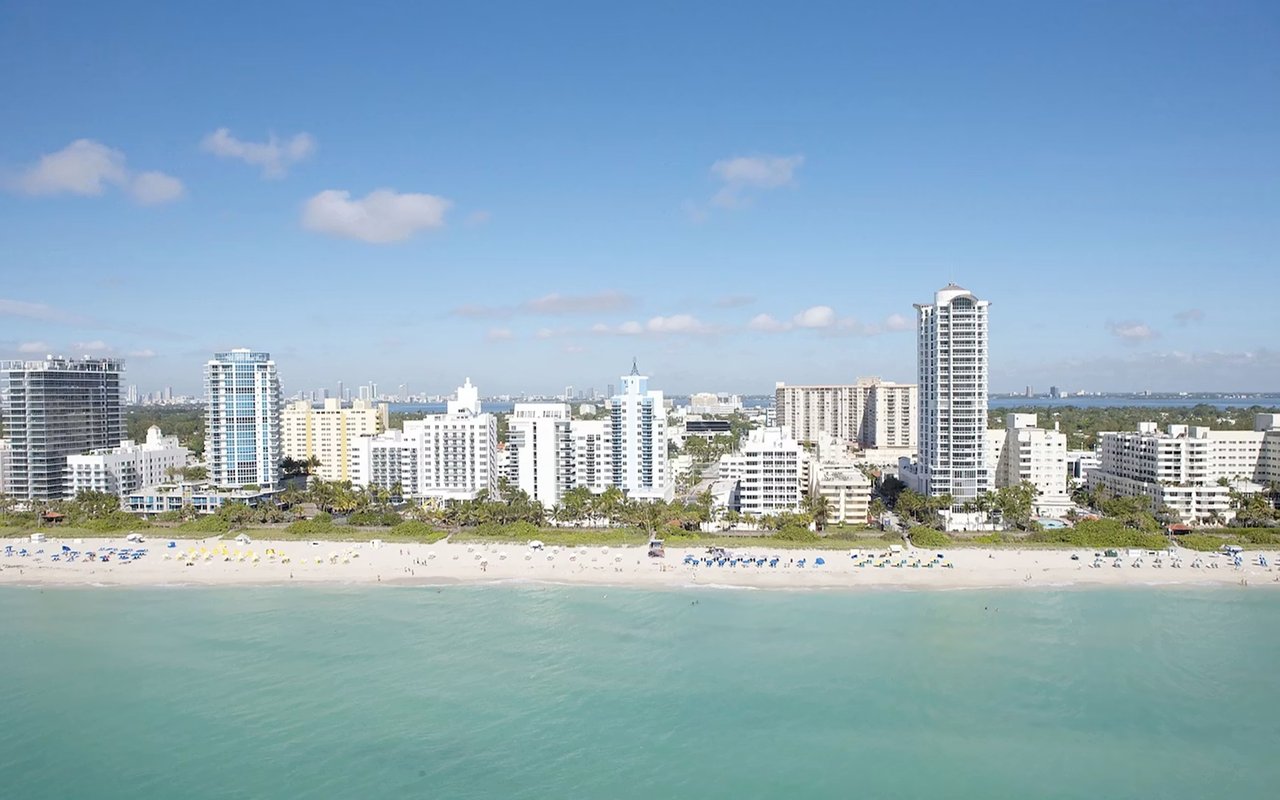
Bal Harbour is a small, beachfront village known for high service levels, luxury towers, and a low-density feel next to Bal Harbour Shops. Village services, security and a curated quality of life make it ideal for part-time residents who value ease and privacy. You can review village background and lifestyle programming on the official site for Bal Harbour Village.
International buyers are a consistent force in Florida’s coastal markets, and many pay all cash. The National Association of REALTORS reports that roughly half of international transactions in recent years are all-cash and that Florida remains a top destination for foreign buyers. This helps explain why many Bal Harbour sellers and buildings already support international workflows and timelines. You can explore the national trends in NAR’s International Transactions report.
Choose the right building
Ownership model: condo vs hotel-branded
Decide early whether you want a traditional condominium or a hotel-branded or condo-hotel product. Hotel-branded residences often deliver resort-style services and may offer rental programs, but they can have stricter operating rules and different fee structures. Traditional condos typically provide more conventional ownership and may have different rental policies. Your intended use, rental goals and service expectations should guide the choice.
Financing and warrantability
If you plan to finance, ask about the building’s “warrantability.” Lenders using Fannie Mae or Freddie Mac standards prefer projects with healthy reserves, limited delinquencies and adequate insurance. Non-warrantable buildings can still work, but often require larger down payments or specialty loans. Learn the key differences in this overview of warrantable vs non-warrantable condos.
Insurance and structural history
Since 2021, insurers and lenders pay closer attention to building inspections, reserve studies and master-policy coverage. Ask for recent engineering reports, recertification status, and reserve disclosures. If a building lacks adequate reserves or insurance, expect tighter lender requirements or higher cash reserves. For a practical primer on how building reviews affect loans, see this guide to condo warrantability and project risk.
Rental rules and local registrations
Short-term rental options vary widely by building and often by product type. Some associations limit stays or require a rental pool. At the municipal level, verify local registration and tax requirements before you buy. Bal Harbour outlines resort-tax registration details for eligible rentals on its Resort Tax Registration page.
Amenities that matter for a pied-à-terre
For part-time living, practical services can be as important as views. Look for 24/7 front desk and valet, on-site management, housekeeping options, secure package handling, private storage, and beach service. Private elevator foyers and gated entries add convenience and peace of mind. Many luxury towers in Bal Harbour are designed around this lock-and-leave lifestyle.
Building-selection checklist
- Product type: traditional condo or hotel-branded/condo-hotel
- Financials: reserves, budget, assessment history and delinquencies
- Warrantability: owner-occupancy, litigation, and lender appetite
- Insurance: master wind/flood policies, claims history
- Inspections: structural/engineering and recertification status
- Use rules: leasing minimums, seasonal caps, rental programs
- Operations: parking, storage, move-in procedures, on-site management
- Services: concierge, security, housekeeping, beach/pool, fitness/spa
Your step-by-step purchase timeline
Every deal is unique, but most Bal Harbour condo purchases follow a clear sequence. Cash purchases can close quickly when documents and funds are ready. Financed deals often run longer due to appraisal, underwriting and condo project review.
1) Inquiry and qualification (days 0–7)
Share your passport, proof of funds and goals with your agent so they can curate options. If you will finance, obtain a foreign-national prequalification with a lender experienced in non-resident loans. Many programs allow alternative documentation but may require higher down payments and cash reserves. Start this conversation early to keep leverage strong when you offer.
2) Remote touring and shortlist (days 0–14)
Use live video tours, 3D scans and recorded walkthroughs to compare finishes, views and services. A guided video call helps you focus on the specifics that matter most to your lifestyle. Many international buyers make a conditional offer before an in-person visit, then verify with an inspection.
3) Offer, contract and escrow (days 1–7 after acceptance)
Once your offer is accepted, you will sign the purchase contract and wire the escrow deposit. Your agent will request the association resale packet and order the estoppel certificate promptly. Contract timelines set your inspection, financing and association-review windows.
4) Due diligence (days 3–30+)
Review the HOA budget, reserves, meeting minutes and any pending assessments. Arrange a professional inspection; older towers may warrant structural or hurricane-exposure reviews. If you are financing, your lender will conduct a condo project review. Non-warrantable projects may require portfolio lending and higher down payments.
5) Financing and underwriting (days 7–45)
Foreign-national loans often accept alternative documentation and larger down payments. Underwriting will validate income, assets and the project’s eligibility. If the lender performs a manual project review, add buffer for that timeline. Keep your asset statements and source-of-funds documents organized for quick responses.
6) Closing mechanics (final 3–7 days)
The title company issues the title commitment, prepares closing statements and coordinates recording. Florida charges documentary stamp taxes on deeds and notes, plus a nonrecurring intangible tax on recorded mortgages. Plan for statutory timing requirements around final disclosures if you are financing. The title company will confirm exact figures and funding logistics.
7) Move-in and setup (post-closing)
Confirm HOA move-in requirements and elevator reservations. Set up utilities, internet and any seasonal services you want ready before your next arrival. If you will not be local, consider a property manager or on-site services for periodic checks and cleanings.
Timeline at a glance
- Cash purchase: often 7–21 days when documents and funds are ready
- Financed purchase: typically 30–60 days from contract to close
- Condo project review: add 2–6 weeks if manual approval is required
- Estoppel and HOA docs: ordered immediately after contract; delivery subject to statutory windows
Money, ID and compliance checkpoints
Source of funds and FinCEN
Expect enhanced documentation for large transfers, especially all-cash or entity purchases. Title companies may request beneficial ownership details and verifiable source-of-funds records. FinCEN has finalized a Residential Real Estate Rule that will require certain reports for non-financed transfers to legal entities, and title companies are preparing workflows. Review current context on FinCEN’s Residential Real Estate Rule page.
Wire transfers and fraud safety
Always confirm wiring instructions by phone using a known, verified number for the title company. Do not accept last-minute changes by email without verbal confirmation. Your agent and title team will outline secure steps and timing for deposits and final funds.
Tax IDs and filings
Many international buyers obtain an ITIN for U.S. tax reporting and to simplify property tax and any rental filings. Coordinate with a qualified cross-border tax advisor for questions on rental income, future dispositions and estate planning. For ITIN logistics, visit the IRS’s ITIN guidance.
Closing costs to plan for
Florida charges documentary stamp taxes on deeds and notes and a nonrecurring intangible tax on recorded mortgages. You will also budget for title insurance, recording fees, HOA estoppel and resale-packet fees, inspections, and any municipal items. Your title company will calculate exact figures based on price, county rules and loan terms. For statutory tax details, review the Florida Department of Revenue’s Documentary Stamp Tax guide GT-800014.
Remote touring and remote closing
Virtual search plan
Build a simple, repeatable process: 1) 3D or recorded tours to filter options, 2) a live guided video showing to confirm details, 3) a conditional offer with appropriate contingencies, 4) inspection verification. This approach saves travel time while keeping your decision pace swift. Your agent should manage scheduling, building access and on-camera detail checks.
Remote notarization and e-closing
Florida authorizes remote online notarization, and many title companies can support fully remote closings when documents and county recording systems allow. Confirm eligibility with your title company and, if you hire one, your closing attorney. Review Florida’s RON framework in Chapter 117 of the Florida Statutes.
Your Miami team
- Multilingual local agent: orchestrates listings, virtual tours, offers, HOA packets, timelines and vendor introductions across time zones.
- Lender or mortgage broker: prequalification, appraisal and condo project review; guidance on foreign-national loan programs.
- Title/closing agent: title search, closing statements, wires and recording; may collect beneficial ownership details where required.
- Florida real estate attorney (optional): contract and condo-doc review; helpful for international buyers.
- Cross-border tax advisor: U.S. reporting, rental-income treatment and entity considerations.
- Property management or concierge: seasonal setup, regular checks and service coordination if you are remote.
Quick buyer checklist
- Passport and secondary ID
- Proof of funds and source-of-funds documentation
- Foreign-national lender prequalification (if financing)
- ITIN status or plan to obtain one
- Power-of-attorney plan if you cannot travel for closing
- Contact details for your title company and, if engaged, your attorney and tax advisor
Ready to explore options and map your personalized timeline? As a boutique, marketing-driven advisor, Carolina guides international buyers through curated building selection, virtual tours, and white-glove closing logistics so you can move quickly and confidently. To start a confidential conversation, connect with Carolina Bustillos.
FAQs
How can an international buyer finance a Bal Harbour condo without U.S. credit?
- Many foreign-national loan programs accept alternative documentation and larger down payments, and some portfolio lenders work with non-warrantable projects. Start prequalification early to align terms with your building choice and closing timeline.
What short-term rental rules should I expect in Bal Harbour condos?
- Policies vary by building and product type. Confirm HOA minimum stays and whether any rental pool is required, then review municipal registration and taxes. For local requirements, see Bal Harbour’s Resort Tax Registration guidance.
How long does a Bal Harbour condo purchase take for cash vs financing?
- Cash closings can happen in 7–21 days when documents and funds are ready; financed purchases typically take 30–60 days due to appraisal, underwriting and condo project review. Build buffer for association documents and any lender project approvals.
What closing costs should a foreign buyer expect in Florida?
- Budget for documentary stamp taxes on the deed and note, a nonrecurring intangible tax on the mortgage, title insurance, recording fees, HOA estoppel/resale packet fees and inspections. The Florida Department of Revenue outlines the tax framework in GT-800014; your title company will provide exact figures.
Can I close a Bal Harbour purchase remotely from overseas?
- Often yes. Florida supports remote online notarization for eligible documents, and many title companies can coordinate e-signing and electronic recording. Review statutory RON details in Florida Statutes Chapter 117.
What compliance documents will a title company need for an all-cash purchase by my company?
- Expect source-of-funds verification and beneficial ownership information. FinCEN’s Residential Real Estate Rule introduces reporting for certain non-financed transfers to legal entities; see the current framework on FinCEN’s RRE page.