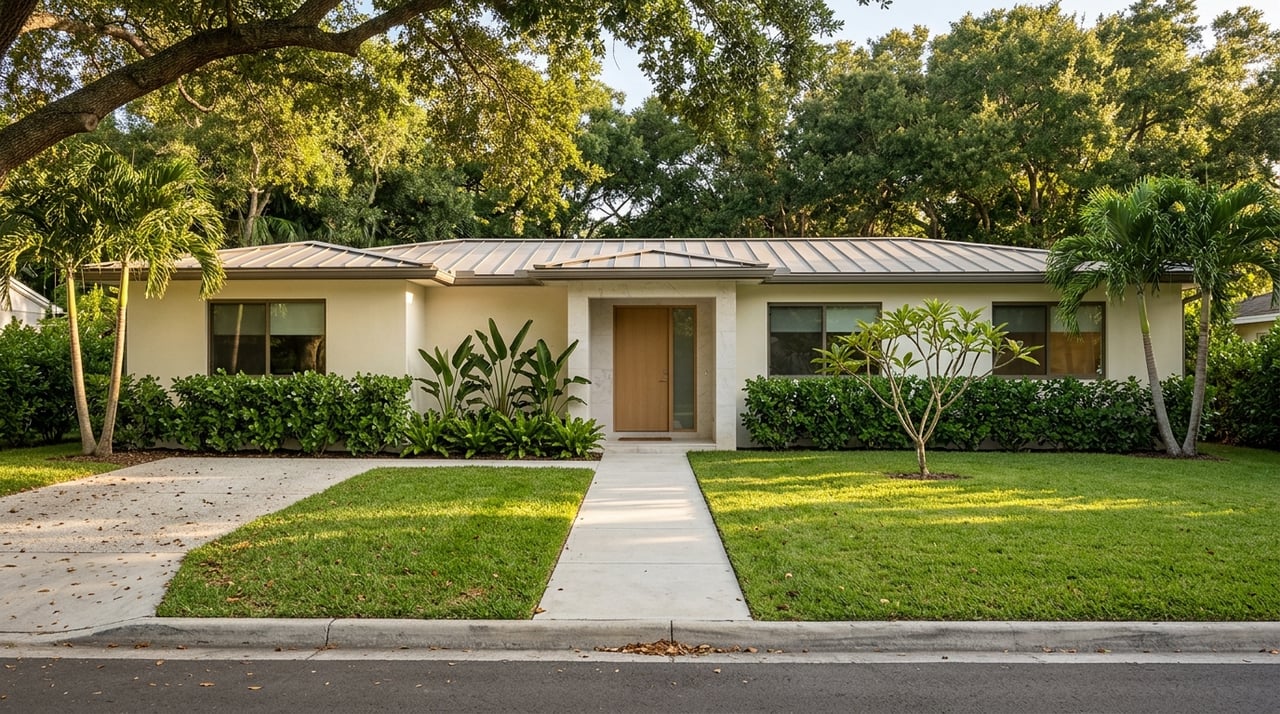
Wondering whether Biscayne Park fits the way you want to live in Miami-Dade? If you are looking for a place that feels more leafy village than fast-paced urban hub, this small community may stand out right away. Biscayne Park offers a very specific kind of lifestyle centered on trees, residential streets, and a code-protected neighborhood character. If you want to understand what makes it different, who it suits best, and where it may not be the right match, let’s dive in.
What Biscayne Park Feels Like
Biscayne Park is a very small village in northeastern Miami-Dade that was established in 1931. According to the village, it is home to a little over 3,100 residents and is known for its tree canopies, landscaped medians, and bird-sanctuary status. That combination gives it a distinct identity within the broader Miami area.
The village also has a unique physical shape. Official village materials explain that the Biscayne Canal and the Florida East Coast Railway help form its diamond-shaped layout. At just 0.60 square miles and predominantly residential, Biscayne Park feels intimate by design.
If you are comparing nearby options, scale matters here. Biscayne Park is much smaller than neighboring Miami Shores, which had an estimated 11,917 residents in 2024. That does not make one better than the other, but it does help explain why Biscayne Park often feels quieter and more village-like.
Why Buyers Consider Biscayne Park
For many buyers, the main draw is not nightlife, towers, or beachfront access. It is the sense of space, greenery, and neighborhood identity that comes from a low-density residential setting. Biscayne Park is best understood as a place where the appeal comes from canopy, scale, and preserved character.
Official village materials describe roughly 1,100 homes in Biscayne Park. Most are single-family and mostly owner-occupied, which supports a more residential rhythm of daily life. The housing mix includes Spanish Mission, mid-century, wooden bungalow, contemporary, log cabin, ranch, and some duplex examples.
That variety can be appealing if you want architectural character instead of a more uniform housing stock. You may find homes with different design eras and lot layouts, but within a village framework that remains clearly residential. The result is a market that feels curated by long-term planning rather than shaped by rapid, large-scale redevelopment.
Homes, Lots, and Village Rules
If lot size and privacy matter to you, Biscayne Park has some notable zoning features. Village rules generally set a minimum lot size of 8,500 square feet in most sectors, with some grandfathered lots at 6,000 square feet. The code also allows only one dwelling unit per lot in most residential areas and limits height to two stories.
In practical terms, that points to a low-density housing environment. You are more likely to see yard-oriented homes, mature landscaping, and a strong relationship between house, lot depth, and tree canopy. If your ideal property includes outdoor space and a residential setting that resists vertical overbuild, that may be a strong positive.
These same rules also shape expectations. Biscayne Park is not set up for high-rise living or broad redevelopment intensity. The village’s planning language emphasizes aesthetics, quality of life, open space, and natural resource preservation, which suggests a preservation-forward market rather than a large-scale teardown-and-rebuild environment.
The Green Village Identity
Biscayne Park’s identity is closely tied to nature. The village describes itself as a designated bird sanctuary and natural habitat for wildlife. It also highlights sustainability efforts focused on preserving natural resources and planning for flooding resilience.
That green identity is not just branding. The village has a Parks and Parkways Board specifically focused on preserving and enhancing natural spaces. Its planning documents also reinforce themes like conservation, recreation, open space, and low-impact development.
For you as a buyer or renter, this matters because it affects the feel of daily life. In Biscayne Park, trees and landscape are part of the experience, not just background details. If you value a neighborhood that visibly protects its canopy and natural setting, this is one of the village’s clearest strengths.
Parks, Recreation, and Community Spaces
Biscayne Park may be small, but it still offers useful community amenities. At Ed Burke Recreation Center, the village lists a tot lot, playground, multi-use ball field, basketball and pickleball, volleyball, racquetball, a butterfly garden, an indoor toddler play area, a small library, and rentable community space. Those features support everyday recreation without requiring a large municipal footprint.
The village also hosts recurring events such as Movie Night in the Park and Jazz in the Park. That kind of programming helps reinforce the village’s small-community feel. If you want a place where local events and public spaces still play an active role in neighborhood life, Biscayne Park checks that box.
Getting Around and Everyday Convenience
Because Biscayne Park is compact, everyday movement looks different here than it does in larger parts of Miami-Dade. Village materials describe it as pedestrian-friendly, and the village also offers a Freebee partnership with free on-demand rides within the village. That can add convenience for short local trips.
The Freebee map also references nearby points of interest such as the Museum of Contemporary Art at 770 NE 125th Street. That gives you a sense of Biscayne Park’s access to nearby north Miami-Dade cultural and retail areas. You get a village-centered setting without feeling cut off from surrounding amenities.
Still, the lifestyle here is inland and residential. If your vision of Miami living depends on barrier-island scenery, beachfront access, or tower amenities, Biscayne Park is a very different proposition. Its location and land use support a grounded village lifestyle rather than a resort-style one.
Who Biscayne Park Fits Best
Biscayne Park tends to make the most sense for buyers who want a leafy, single-family setting with a strong neighborhood identity. If you like the idea of a small village feel, larger lots, and a code-protected residential environment, it may be a very compelling option. This is especially true if you value character and calm over density and constant activity.
It can also appeal to people who want Miami-Dade access without choosing a high-rise or tourism-heavy area. The village’s small size, tree canopy, and planning framework create a different pace. For some buyers, that difference is exactly the point.
When Biscayne Park May Not Be Right
Every neighborhood has tradeoffs, and Biscayne Park is no exception. If you want beachfront living, full-service tower amenities, or a setting built around short-term visitor demand, this village may feel too quiet or too low-density for your goals. Its official land-use structure supports a more residential pattern.
The same goes for buyers focused on a tourism-driven rental model. Village materials show that short-term rental use is regulated through a vacation-rental license framework and landlord registration process. That means ownership here may be better suited to patient, rule-aware strategies than to a loose, high-turnover rental approach.
What the Long-Term Appeal Looks Like
Biscayne Park’s long-term appeal appears tied to scarcity, canopy preservation, and policy discipline. That is an inference based on the village’s lot rules, planning priorities, and emphasis on preserving natural resources and neighborhood character. In simple terms, the village’s value proposition is less about constant new supply and more about protecting what already makes the area distinctive.
For many buyers, that is an important signal. A place with clear rules, limited scale, and a strong identity often attracts people who are intentionally choosing that lifestyle. If that aligns with what you want, Biscayne Park can be a very thoughtful alternative to more obvious Miami-area choices.
Final Takeaway
Biscayne Park is best for people who want a small, tree-heavy residential village with architectural variety, larger lots, and a strong sense of place. It stands out because of its scale, canopy, and code-protected character, not because it tries to compete with Miami’s beachfront or high-rise neighborhoods. If that quieter, preservation-minded lifestyle sounds like your fit, Biscayne Park deserves a closer look.
If you are weighing Biscayne Park against other Miami-Dade options, a tailored local strategy can help you compare lifestyle, property type, and long-term goals with more clarity. To explore the right fit for your move, connect with Carolina Bustillos.
FAQs
What is Biscayne Park in Miami-Dade known for?
- Biscayne Park is known for being a small residential village with tree canopies, landscaped medians, bird-sanctuary status, and a strong preservation-focused identity.
What types of homes are common in Biscayne Park?
- Official village materials describe about 1,100 homes, mostly single-family and mostly owner-occupied, with styles that include Spanish Mission, mid-century, bungalow, contemporary, log cabin, ranch, and some duplex examples.
Is Biscayne Park a good fit for buyers seeking a quiet residential setting?
- Yes, Biscayne Park is best suited to buyers who want a leafy, low-density village feel with larger lots, residential streets, and a strong neighborhood identity.
Is Biscayne Park a beachfront or high-rise neighborhood?
- No, Biscayne Park is an inland, predominantly residential village, so it is a different lifestyle choice from barrier-island, beachfront, or tower-based living.
Are rentals regulated in Biscayne Park?
- Yes, village materials indicate that rental use includes landlord registration and a vacation-rental license framework, so owners should expect a regulated environment rather than a loose short-term rental model.