Old Money Etiquette, New World Codes: What 19th-Century Rules Still Reveal About Wealth Today
By Carolina Bustillos, Luxury Real Estate Advisor — Miami & Bal Harbour
If you've ever stressed over whether to text before calling someone, or wondered how soon is too soon to leave a party, take comfort: people have been quietly panicking over the "right" way to behave for well over two hundred years. We just trade calling cards for read receipts now.
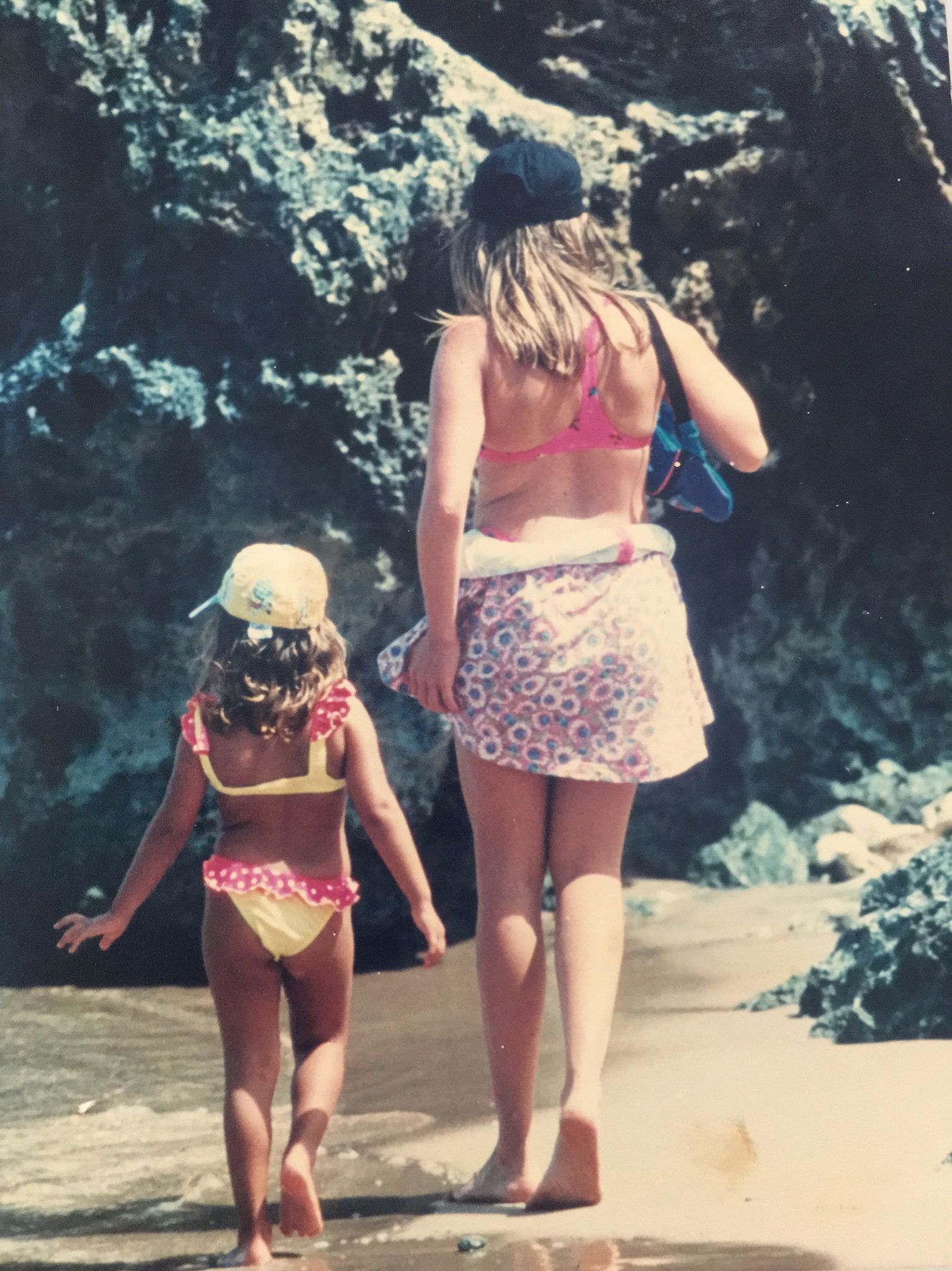
I was born in Caracas, raised by parents who thought nothing of packing up for Japan and Taiwan back in the 1970s, long before that kind of travel was common. My brother and I grew up barefoot — surfing most days, no shoes, no schedule — and then, seemingly overnight, in gowns and on horseback for whatever formal occasion the weekend required. I've called Bal Harbour home for 27 years since, and I now spend my days walking clients through some of the most storied properties in South Florida. After this many years in luxury real estate, I can usually tell who someone is — long before we ever discuss price. People reveal themselves in how they greet the housekeeper, how they handle a doorway, how long they linger in a room they've already decided to buy.
I'm not a Palm Beach expert; I'm Miami, through and through. But between that childhood and a career spent reading clients for a living, I've noticed something: the rules of wealth change by country, by zip code, by century — but the instinct underneath them barely moves at all.
The specific customs have changed almost completely since the 1800s. The impulse behind them hasn't — and it isn't only an American story.
The Original Social Network: Calling Cards vs. the Group Chat
Long before anyone "liked" a post or left someone on read, status and connection were managed through a small rectangle of paper. By the mid-1800s, a personal calling card wasn't just a way to say "I stopped by" — it was a coded communication system. A folded corner could announce a congratulations visit, a condolence call, or news that the visitor was leaving town for good. Cards were sized differently for married and unmarried men, and a tray of cards left in a parlor functioned the way a list of followers might today: a visible, curated record of who mattered to whom, with the most prestigious names conspicuously arranged on top.
There was an entire protocol around who called on whom first, how long you could decently stay, and how a card without a personal note could politely signal that someone wasn't quite worth a visit. Skipping the ritual, or getting it wrong, was a real social risk.
In my world, the modern calling card is the follow-up after a showing — a text confirming the next step, or, for the clients I value most, a handwritten note after closing. I still write those by hand. It costs me fifteen minutes and it's the single thing clients mention years later. The format changed completely. The function — quietly signaling that someone mattered enough to warrant the extra effort — hasn't moved an inch.
An Ocean Away: What My Parents Brought Back from Japan and Taiwan
Here's where the calling card story gets personal for me. While 19th-century Americans were folding the corners of their visiting cards, Japan was quietly developing what may be the most rigorous business card etiquette on earth — and it's still very much alive today. The meishi, or business card, is exchanged with both hands, offered with a slight bow, and presented in order of rank, with the most senior person's card given first. You never write on a card you've received, never stuff it in a back pocket, and you take a moment to actually read it before putting it away — anything less reads as careless, even disrespectful.
Taiwan has its own quiet rigor, just expressed differently: a slight bow or nod in greeting rather than a handshake, gifts presented and received with both hands, and a small, almost choreographed dance of politely refusing a gift once or twice before accepting it.
My parents brought a piece of that home with them from those 1970s trips, long before "cultural fluency" was a phrase anyone used. It's stayed with me professionally more than I expected: when I'm working with international buyers, how I hand over my own card, or receive theirs, is a small thing that signals I understand the room. A folded card corner in 1800s Boston and a two-handed bow in Tokyo were solving the exact same problem, a century and an ocean apart — and understanding both has made me better at my job.
Different Zip Codes, Different Codes: Bal Harbour, Palm Beach, and Austin
The 19th-century rulebook I'm describing was largely an East Coast, old-money invention — and Palm Beach is still one of its best-preserved museums. I see it whenever a deal touches that market: generations-old families who say very little, where a decision gets made quietly among relatives before anyone calls me back.
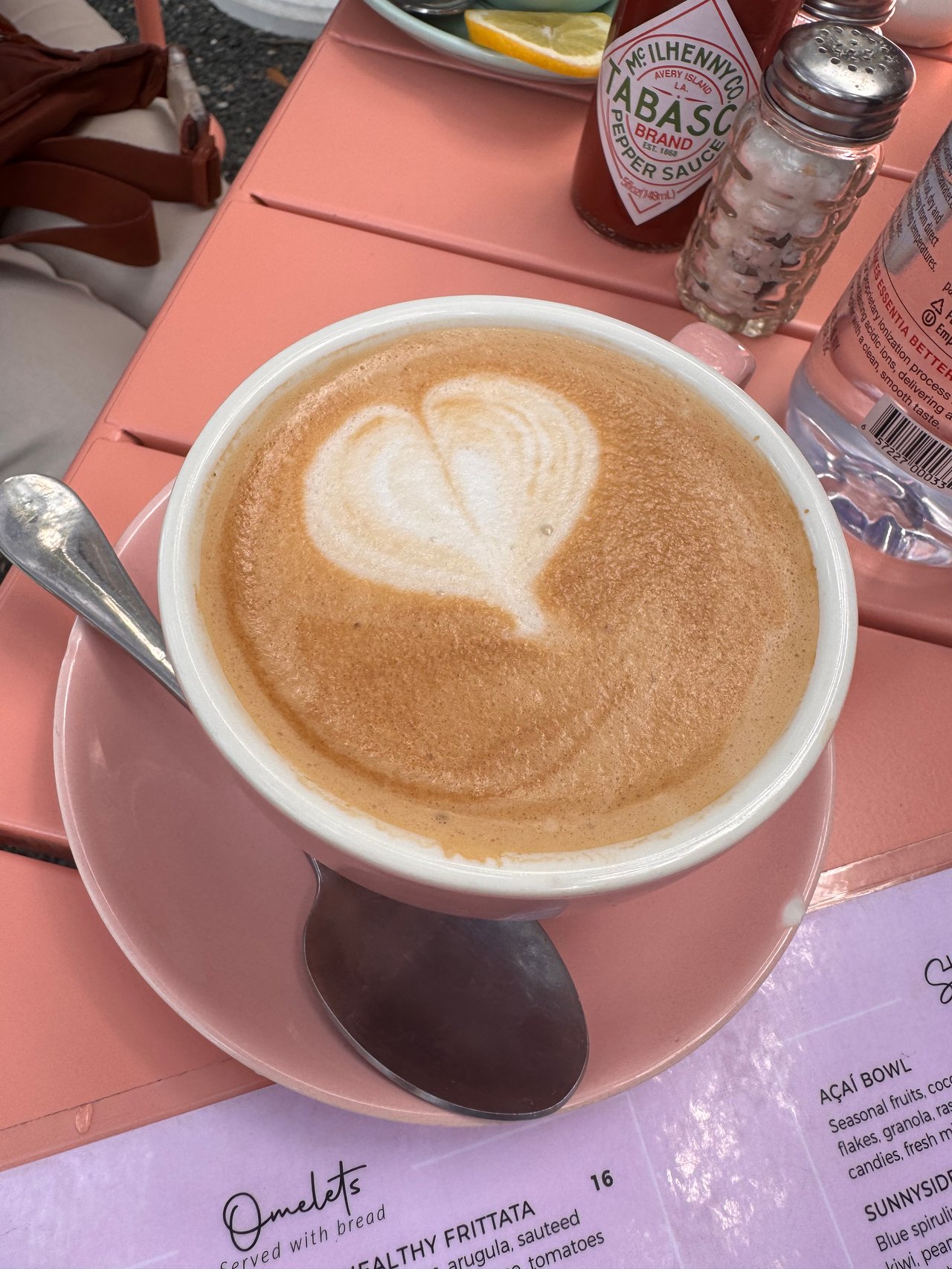
Bal Harbour, where I actually live and work, plays by a different but related code. My neighbors are often women in their late 70s splitting the year between here and New York, or wealthy Latin American families — and the common language is quiet, international elegance. Deals here tend to close over coffee, not drama.
Then there's Austin, where some of my favorite people in the world live — friends and family with serious, generational wealth who would never be caught using a fork from the Victorian playbook. Boots, jeans, a truck older than their net worth, land that's been in the family for a hundred years. It's casual on the surface and unmistakably wealthy underneath — not so different, actually, from a barefoot kid who happened to own a gown.
Three completely different surface behaviors, and the same underlying rule I rely on professionally: real money rarely announces itself. Knowing the local costume is half of doing this job well.
Greeting Someone on the Street: Hats, Bows, and the Dreaded "Hello?"
Walking down a 19th-century street required real choreography. A gentleman was expected to fully remove his hat — not just touch the brim — when greeting a lady, and to wait for her to acknowledge him first. Two gentlemen passing each other typically skipped handshakes altogether in public, sticking to a bow and a tip of the hat instead, since shaking hands on the street was often considered too familiar.
The 21st century has its own version of this anxiety, just with phones instead of hats. Plenty of people now consider an unannounced phone call mildly alarming, sending a text first to confirm the timing and head off the awkward "wait, who is this?" moment. I do the same thing before calling a client cold — a quick text first, always. It's a different gesture, solving the same problem the 19th century solved with a tipped hat.
Dinner Table Rules: From the Correct Fork to the Phone Face-Down
Victorian dining etiquette could be genuinely intimidating. Diners were expected to remove their gloves and lay a napkin across their lap before eating, never ask for second helpings of soup or fish for fear of delaying the meal, and avoid resting elbows or forearms on the table at all. There was a fork for nearly everything — fish, salad, oysters, even mangoes — and using the wrong one was a quiet but noticeable misstep.
I've sat through plenty of closing dinners over the years, and the most telling moment is never the contract — it's whether a client puts their phone away. The formality has relaxed everywhere, but the instinct behind "no elbows on the table" and "phone face-down, please" hasn't changed: undivided attention is still the clearest signal of respect I know, whether you're holding a fork in Palm Beach or a glass of champagne after closing in Bal Harbour.
Mourning: A Strict Wardrobe vs. an Open Question
Few areas of 19th-century life were as rule-bound as grief. A widow was expected to wear unrelieved black for roughly a year, often longer, before easing into "half-mourning" shades like gray, mauve, or lavender. Jewelry was restricted to somber materials like jet, fabrics had to be dull rather than glossy, and returning to ordinary clothing too soon could draw real social judgment.
Today, there's no equivalent rulebook anywhere I've traveled. Most people wear black to a funeral and return to their normal wardrobe immediately after — grief is treated as a private process rather than something staged for months at a time. It's one of the clearest places modern life has simply let an old rule go, for the better — though in this business, I'll add: I've handled more than one estate sale where the family's grief and their gratitude for a smooth, gentle process were inseparable. Some things deserve patience, even now.
The Real Throughline
What's striking, having lived in one place for 27 years while still feeling like a citizen of several others, isn't how strange the 1800s rules seem now. It's how much effort every culture, in every era, puts into the same basic project: finding a shared language for respect, attention, and care that the people around you will recognize. A folded calling card, a two-handed bow over a meishi, a tipped hat, a closing handshake in Bal Harbour — different props, same question underneath all of it: does this person need you to notice them, or not?
I've learned to read a client's actual comfort level by how they behave in a room or their voice over the phone, not by their net worth on paper — and that skill has mattered more to my career than any market report ever has. Maybe that's why I never saw a contradiction in growing up barefoot and in gowns. They were never opposites. They were just two ways of showing up properly, depending on what the day required. :)