Trying to choose between a Surfside condo and a single-family home? In a small coastal town where both options can put you close to the beach, the better fit often comes down to how you want to live, what level of responsibility you want to carry, and how you plan to hold the property over time. If you are weighing privacy, maintenance, budget, or future resale, this guide will help you sort through the tradeoffs with more confidence. Let’s dive in.
Surfside housing in context
Surfside is a compact oceanfront town between Miami Beach and Bal Harbour with a mile of public beach, parks, and a walkable business district. The town’s housing mix includes single-family homes, duplexes, apartments, and condominiums, which gives buyers more than one path into the market.
The local pattern today is more about infill and redevelopment than major expansion. Town planning records show multi-family projects in progress along Collins Avenue and Harding Avenue, with new development expected to stay within existing zoning, setbacks, and height limits. That helps explain why Surfside feels more boutique than oversized.
Why property type matters in Surfside
In some markets, the condo versus house decision is mostly about price. In Surfside, it also affects your day-to-day ownership experience, the level of control you have, and the kinds of documents and costs you may need to review.
That matters even more in a town this small. A condo near the beach and a single-family home west of Harding Avenue can deliver very different ownership realities, even though both are in the same community.
What condo ownership changes
A condo can be appealing if you want a more turnkey lifestyle. In Florida, the condominium association operates the property, maintains common elements, makes and collects assessments, and carries property insurance for the association side of the building.
That does not mean your ownership is hands-off. Florida law generally leaves personal property and many interior finish items as the owner’s responsibility, so you still need to plan for your own coverage and interior upkeep.
Condo living often means less daily maintenance
For many buyers, the biggest condo advantage is reduced day-to-day responsibility. You are not managing the roof for the full building, shared systems, or common-area maintenance on your own.
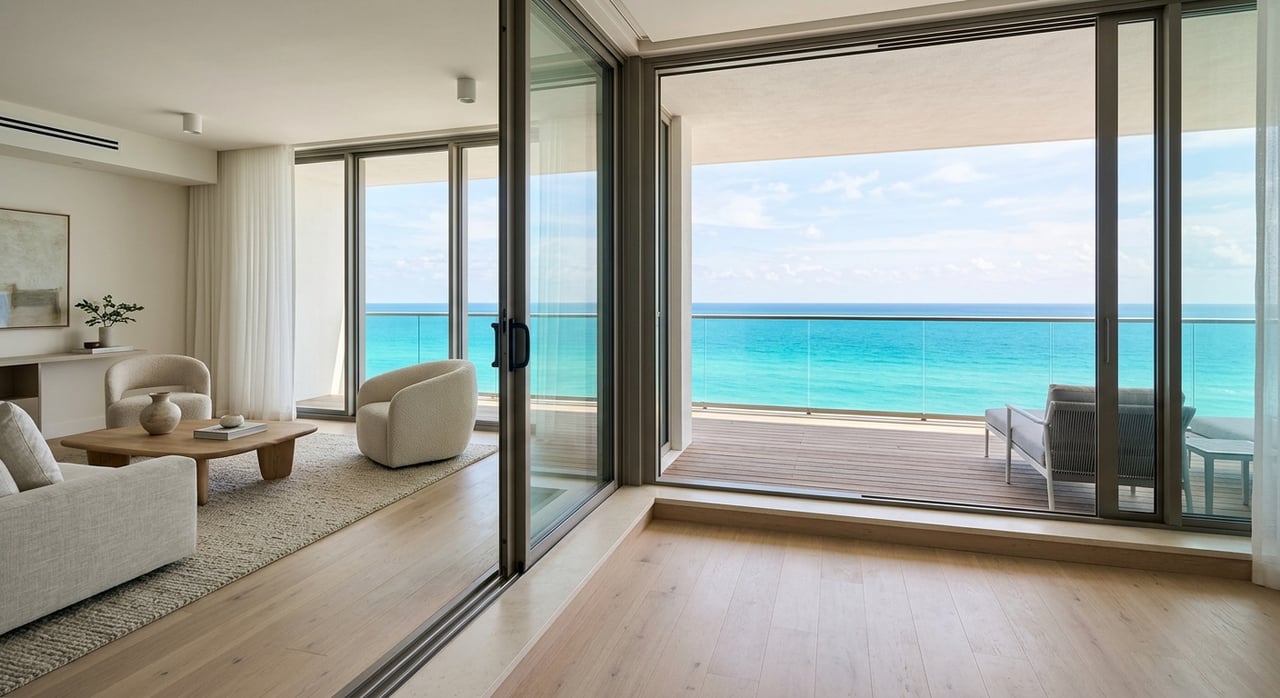
In a coastal market like Surfside, that can be attractive if you want a second home, a simpler ownership routine, or a property that feels easier to lock and leave. It can also suit buyers who value proximity to the beach and a more streamlined lifestyle.
Condo ownership is more document-driven
Condo ownership in Florida comes with more formal governance and more paperwork than owning a house. Owners receive notices on budgets, assessments, and inspection summaries, so reviewing building documents becomes an important part of the ownership experience.
That means your buying decision should go beyond the unit itself. You also want to understand how the association operates, how reserves are funded, and whether major building work may affect future costs.
Building condition matters to condo buyers
Florida law requires many residential condos that are three habitable stories or higher to complete a structural integrity reserve study at least every 10 years. The study covers major items such as the roof, structure, fire protection, plumbing, electrical systems, waterproofing, exterior painting, windows, and exterior doors.
If a milestone inspection is required, the association must arrange it. If phase-two repairs are needed, they generally must begin within 365 days unless local government requires sooner. For a buyer, that makes building-specific review a central part of condo due diligence.
Condo costs can extend beyond monthly dues
A Surfside condo may offer lower hands-on maintenance, but it also brings shared decision-making and exposure to dues, reserve funding, and possible special assessments. Two units with similar views or finishes can feel very different financially once you compare the building details.
That is why condo value in Surfside is not just about location. It is also about the association’s insurance, reserve study, inspection status, and any current or potential assessments that may shape your carrying costs and resale timeline.
What single-family ownership changes
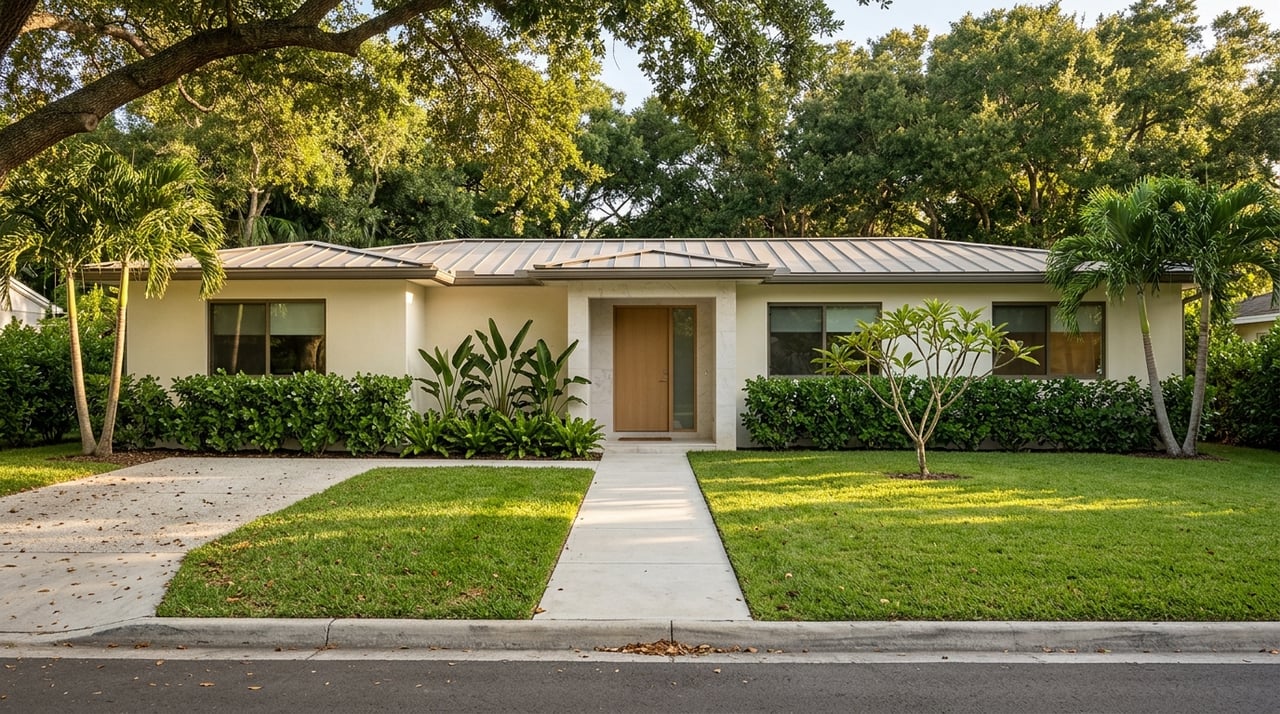
A single-family home offers a different kind of control. In practical terms, you usually have more freedom over the home’s exterior look, landscaping, and daily use because there is no condo association governing common elements.
That greater control comes with greater responsibility. You take on upkeep, repairs, and capital replacement directly, which can mean more planning and more active property management over time.
Single-family areas have a more protected character
Surfside’s comprehensive plan is clear about protecting its single-family areas. The town aims to keep incompatible uses out of those neighborhoods, buffer them from adjacent uses, direct through traffic to Collins Avenue and Harding Avenue, and preserve the historic character of the single-family district.
For you as a buyer, that can translate into a more private and more residential feel in the inland sections of town. Surfside also notes that old and new houses are mixed together in harmony, which reflects the area’s compact beach-town character rather than a typical suburban layout.
Houses offer more direct control
If you like making your own decisions without board review, a house may fit better. Exterior changes, maintenance timing, and long-term improvement plans are generally your call, subject to local rules rather than condominium governance.
That control can matter if you want a more personalized ownership experience. It can also appeal to buyers who view the property through a longer-term lens and want their exit strategy to depend more on the home, the lot, and the neighborhood than on building governance.
Surfside price gap to know
Current market snapshot data from PropertyShark shows Surfside’s Q1 2026 median sale price at $862K for condos and $1.9M for houses. The same snapshot shows 32 condo transactions versus 12 house transactions.
Because the house sample is smaller, that price gap should be treated as directional rather than absolute. Still, it points to a meaningful difference in entry point between the two property types.
How resale can differ
Your exit strategy should play a role in your decision from the start. In Surfside, condos and houses often tell different resale stories.
Condo resale is building-specific
When you sell a condo, buyers will likely evaluate more than the unit and location. They may also focus on the association’s insurance, reserve study, milestone inspection status, and any known assessments.
That means resale strength can depend heavily on building records and future capital planning. A well-positioned unit in a building with clear documentation may present very differently than a similar unit in a building facing major work.
House resale is often tied to land and setting
With single-family homes, the conversation is usually more about the property itself and its location. In Surfside, continued redevelopment along Collins Avenue and Harding Avenue may support nearby land value and buyer demand, while the west side remains more protected in character under the town’s planning approach.
For some buyers, that creates a simpler resale framework. Instead of underwriting an association, they are often looking more closely at the home, the lot, and the surrounding setting.
Rental rules matter either way
If rental flexibility is part of your plan, Surfside’s short-term rental rules deserve careful review. The town states that short-term rentals of single-family, two-family, multi-family, and townhome dwellings require registration for each rental period.
The town also states that no more than three registrations may be issued in a 12-month period. Owners must also comply with local parking, noise, trash, and 24/7 contact requirements.
Even if you are buying primarily for personal use, those rules can affect future options. For investors or second-home buyers, they can materially shape the economics of ownership regardless of property type.
A simple way to decide
If you are still torn, it helps to match the property type to your priorities instead of chasing a one-size-fits-all answer.
A condo may fit you better if you want:
- Closer alignment with a turnkey lifestyle
- Lower day-to-day maintenance responsibility
- A purchase price that may be lower than a single-family home in Surfside
- Comfort with association governance, dues, reserve funding, and possible assessments
A single-family home may fit you better if you want:
- More privacy and a more residential feel
- Greater direct control over the property
- An ownership plan that is less dependent on association governance
- A long-term strategy centered more on the home, lot, and neighborhood setting
The best choice depends on your plan
In Surfside, this decision is not just condo versus house. It is really lifestyle versus autonomy, shared governance versus direct control, and a lower-maintenance setup versus fuller ownership responsibility.
If you want a beach-oriented, more turnkey experience and are comfortable reviewing association details closely, a condo may be the better fit. If you value privacy, control, and a more independent ownership structure, a single-family home may align better with your goals.
When you are comparing options in Surfside, the smartest move is to evaluate not only the property but also the ownership model behind it. For tailored guidance on coastal condos, single-family homes, and your next move in Surfside, schedule a private consultation with Carolina Bustillos.
FAQs
What is the main difference between owning a condo and a house in Surfside?
- In Surfside, condo ownership typically means less day-to-day maintenance but more association oversight, shared costs, and document review, while a single-family home usually offers more control and privacy but puts upkeep and major repairs directly on you.
What should condo buyers review before buying in Surfside?
- Condo buyers in Surfside should closely review the association budget, assessments, reserve funding, insurance, structural integrity reserve study information, and any milestone inspection status that may affect future costs.
Are single-family homes in Surfside more private than condos?
- Surfside’s comprehensive plan aims to protect the character of its single-family areas and direct through traffic to Collins Avenue and Harding Avenue, which can make inland single-family areas feel more private and residential.
Is there a price difference between condos and houses in Surfside?
- A Q1 2026 market snapshot showed a median sale price of $862K for condos and $1.9M for houses in Surfside, with the gap best viewed as directional because house sales were based on a smaller sample.
Can you use a Surfside property as a short-term rental?
- Surfside states that short-term rentals of single-family, two-family, multi-family, and townhome dwellings require registration for each rental period, with no more than three registrations in a 12-month period, plus compliance with local operating rules.
How do you choose between a Surfside condo and single-family home?
- The best choice depends on whether you prioritize turnkey ownership, beach proximity, and lower daily maintenance, or whether you value privacy, direct control, and an ownership plan that is less tied to association governance.