Are you comparing condos in Bay Harbor Islands and wondering why monthly fees can look so different from one building to the next? You are not alone. Fees shape total cost of ownership, affect financing, and signal how well a building is managed. In this guide, you will learn what condo fees cover, why they vary in Bay Harbor Islands, what to review before you buy or sell, and how to spot red flags. Let’s dive in.
What condo fees cover in Bay Harbor Islands
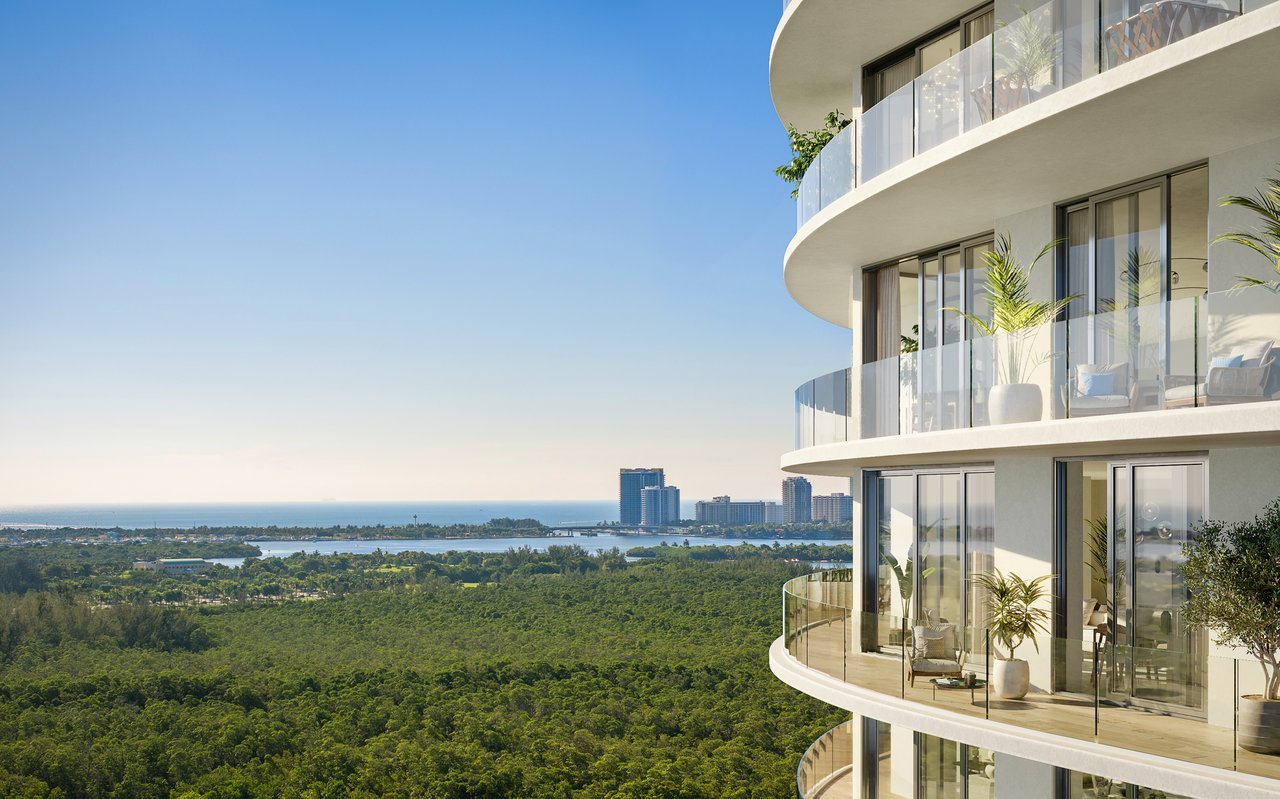
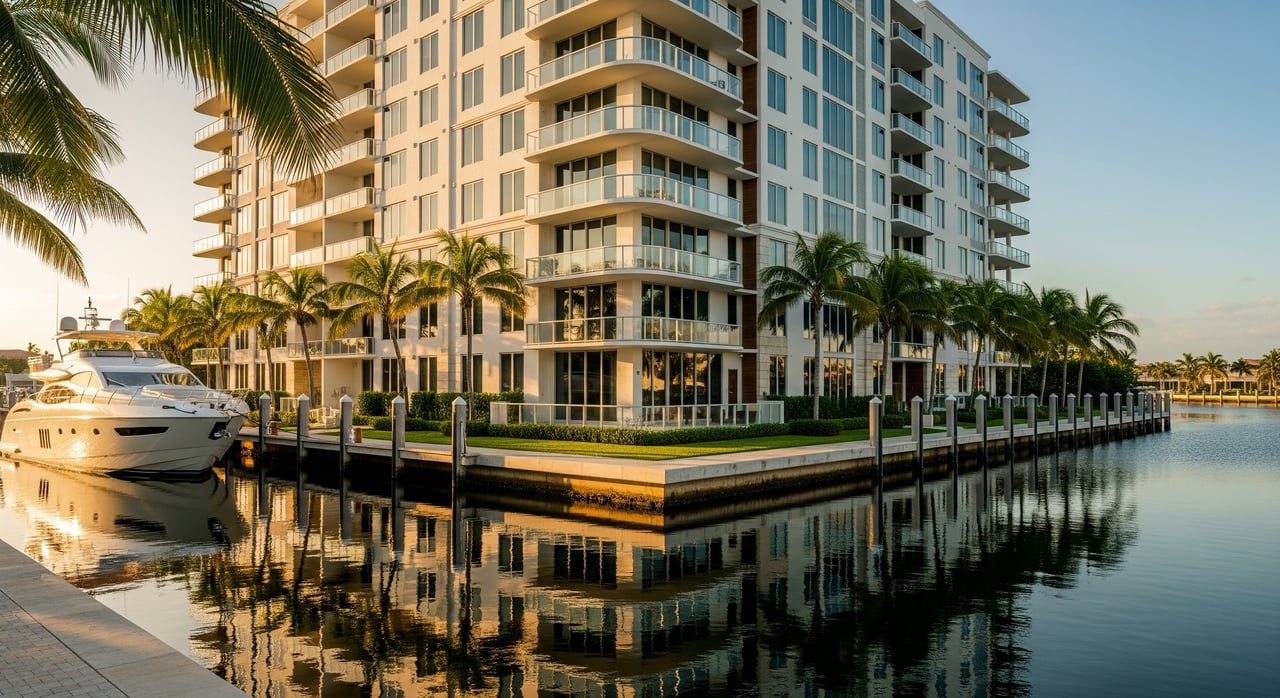
Condo fees, also called HOA assessments, are payments to your association that fund shared operations, maintenance, insurance, and reserves. In Bay Harbor Islands, many buildings are waterfront and mid‑ to high‑rise, so budgets often reflect coastal maintenance and service levels.
Typical inclusions
- Building and common‑area maintenance such as roof, façade, elevators, pool, and landscaping.
- Staffing and services like on‑site management, maintenance staff, security or concierge.
- Association‑level utilities, commonly water, sewer, trash, and common‑area electricity, sometimes bulk cable or internet.
- Contract services for pest control, pool care, janitorial, and landscaping.
- Master insurance for the building’s structure and common areas.
- Reserve fund contributions for future capital repairs and replacements.
- Administrative costs, including legal, accounting, and management company fees.
What fees usually do not cover
- Your unit’s interior and personal belongings. You typically carry an HO‑6 policy for contents, interior improvements, and loss assessments.
- Your property taxes, which are billed to you as the owner.
- Mortgage payments and most in‑unit utilities unless specified by the association.
For statewide rules that shape budgets, reserves, and owner rights, review Florida’s Condominium Act in Chapter 718 of the Florida Statutes.
Why fees vary in Bay Harbor Islands
Bay Harbor Islands is a small, built‑out waterfront village in the Miami–Miami Beach–Kendall area of Miami‑Dade County. Buildings differ by age, amenities, staffing, and exposure to coastal risks. Those local factors drive meaningful fee differences even on the same street.
Insurance and hurricane risk
South Florida’s hurricane exposure influences master insurance pricing and deductibles. Associations may also carry flood coverage depending on the building’s FEMA flood zone. You can explore flood mapping using the FEMA Flood Map Service Center. Insurance market volatility across Florida has increased pressure on association budgets, as noted by the Florida Office of Insurance Regulation.
Post‑Surfside inspections and reserves
Since 2021 there has been heightened focus on structural inspections, engineering, and reserves across coastal Miami‑Dade. Older concrete buildings may require façade and waterproofing work, which can raise reserve needs or trigger special assessments. Ask for recent engineering reports, reserve studies, and any municipal recertification notices. The Village of Bay Harbor Islands and Miami‑Dade County publish building safety resources and notices.
Age, amenities, and staffing
- Older buildings may need more frequent capital repairs like roofs, balconies, and plumbing for common lines.
- Newer luxury buildings often offer concierge, valet, pools, and gyms, which raise staffing and operating costs.
- Bulk contracts for cable or internet can increase fees but may lower individual bills.
Financial health and delinquencies
High owner delinquency rates can strain budgets and lead to fee increases or special assessments. Lenders and buyers often request delinquency statistics as part of due diligence. A well‑funded reserve and low delinquencies signal stability.
What to review before you buy
Request these items early. They reveal how the association is run and whether fees are likely to rise.
- Current year budget and prior year comparison.
- Year‑to‑date and most recent annual financial statements.
- Reserve study, engineering reports, and the association’s reserve funding policy.
- Board and membership meeting minutes from the last 12–24 months.
- Estoppel certificate showing assessments, delinquencies, and any special assessments.
- Master insurance declarations, including wind and flood coverage and deductibles.
- List of planned capital projects and any approved or pending assessments.
- Owner delinquency report and litigation disclosures.
- Recent building inspection results and any municipal notices.
Florida’s Division of Condominiums outlines governance and disclosure guidance. Review the DBPR Division of Condominiums for consumer resources and timelines.
Smart questions to ask the association
- How much are the monthly fees and exactly what do they include?
- What is the current reserve balance, and what is the recommended target from the reserve study?
- Have there been special assessments in the last 3–5 years? Are any planned?
- What percentage of owners are delinquent on dues?
- Has the association received any building safety notices or required repairs?
- How do master policy deductibles work, and what loss assessment could owners face?
- Are there rental restrictions that could affect your plans?
Red flags to watch for
- Low or no reserves in an older building.
- Frequent or large special assessments in recent years.
- High delinquency rates, often above 10 to 15 percent.
- Ongoing or costly litigation against the association.
- Large insurance deductibles or coverage gaps for wind or flood.
- Municipal code violations, recertification issues, or engineering reports flagging structural work.
- Board instability or no professional management in a complex building.
How fees affect your financing
Lenders include monthly condo fees when they calculate your total housing payment and debt‑to‑income ratio. Higher fees can reduce your borrowing capacity, even if the purchase price fits your target.
- HOA assessments are typically added to PITI for underwriting.
- Some loans require project approval or review. Review FHA, VA, and agency rules for condos:
- FHA project approval process: HUD condo approval
- VA condo guidance: VA condominium information
- Agency guidelines: Fannie Mae condo and co‑op project eligibility
Quick math on impact
- A $1,000 monthly fee equals $12,000 per year. Over 5 years, that is $60,000 in operating costs.
- A $100 monthly increase adds $1,200 per year. Model potential increases using recent budgets and minutes.
Tips for sellers in Bay Harbor Islands
- Prepare a clean condo package before listing. Include budgets, financials, insurance summaries, minutes, and any special assessment details.
- Be clear about what the fee includes, such as water, sewer, parking, cable, or internet.
- Proactively disclose known capital projects, inspection findings, or reserve shortfalls to build buyer confidence.
- If your association is strong on reserves and transparent on inspections, highlight that stability. Buyers value well‑managed buildings, especially in premium coastal areas.
Your next step
Understanding the story behind the fees helps you buy with clarity or sell with confidence. If you want a precise view of a specific building in Bay Harbor Islands, including documents to request and how fees could affect your financing, schedule a private consultation with Carolina Bustillos. We will help you evaluate options, coordinate the right questions with management, and move forward with a plan that fits your goals.
FAQs
What are condo fees in Bay Harbor Islands and what do they cover?
- Condo fees are association assessments for operations, maintenance, insurance, utilities, and reserves; they usually include items like common‑area upkeep, staffing, and water/sewer.
Why do Bay Harbor Islands condo fees vary so much between buildings?
- Differences in building age, amenities, staffing, insurance costs, reserves, and inspection or remediation needs cause fees to vary widely even within the same neighborhood.
Does the building’s master policy cover my unit interior in Florida?
- The master policy typically covers common elements and structure; you usually need an HO‑6 policy for interior improvements, personal property, and potential loss assessments.
How do special assessments work for Florida condos?
- Associations can levy special assessments for capital projects or unexpected costs when reserves are not sufficient, following procedures in Chapter 718 and the condo documents.
What is an estoppel certificate when buying a Bay Harbor Islands condo?
- An estoppel certificate shows current assessments, delinquencies, and any amounts owed by a unit; buyers use it to verify obligations before closing, typically obtained from association management.
Are FHA or VA loans available for Bay Harbor Islands condos?
- They can be, depending on project eligibility. Check HUD condo approval and VA condominium information or consider conventional loans that meet agency project standards.