Wondering why two Bal Harbour condos with similar finishes can feel completely different in long-term value? In this market, your decision often goes far beyond marble, appliances, and square footage. If you are buying in Bal Harbour, you need to look closely at view durability, building operations, financial health, and coastal risk before you commit. Let’s dive in.
Why Bal Harbour Requires a Sharper Lens
Bal Harbour is a highly specialized luxury condo market because it is both compact and coastal. The village spans about one square mile and is known for its oceanside setting, luxury residences, ocean and bay views, and mile-long beach path.
Because the footprint is so small, details that might seem minor elsewhere can matter much more here. A building’s line position, setback, neighboring parcel, or orientation can have a real impact on privacy, views, and future resale appeal.
For you as a buyer, that means the best residence is not always the one with the flashiest interior package. In Bal Harbour, a smart purchase is often the unit that combines a strong stack, a durable outlook, and a well-run association.
View Durability Matters More Than You Think
In many luxury markets, buyers ask whether a condo has an ocean view. In Bal Harbour, the better question is how durable that view may be over time.
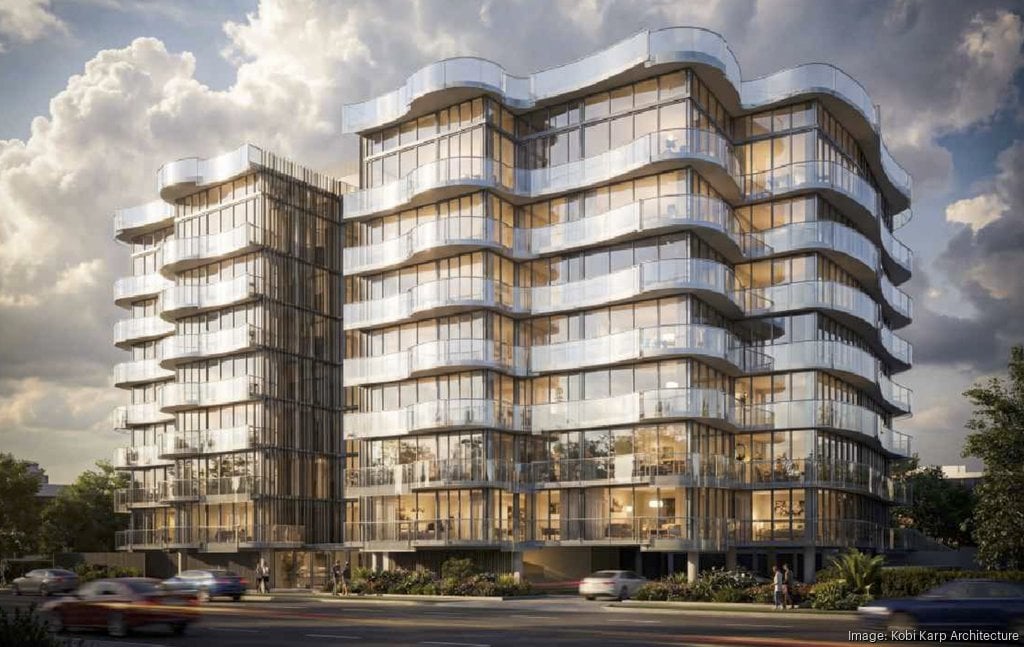
The village’s Ocean Front district has specific zoning rules that shape how towers sit on their lots. The code allows a base floor area ratio of 1.3, with incentives that can raise it to 2.8, and it requires substantial setbacks from Collins Avenue, with additional setback requirements for taller buildings and a maximum height of 275 feet, plus limited rooftop features.
What does that mean in practical terms? It means a unit’s line, floor, and orientation can materially affect how protected your sightlines feel. It can also affect how much privacy you enjoy from neighboring towers and amenity areas.
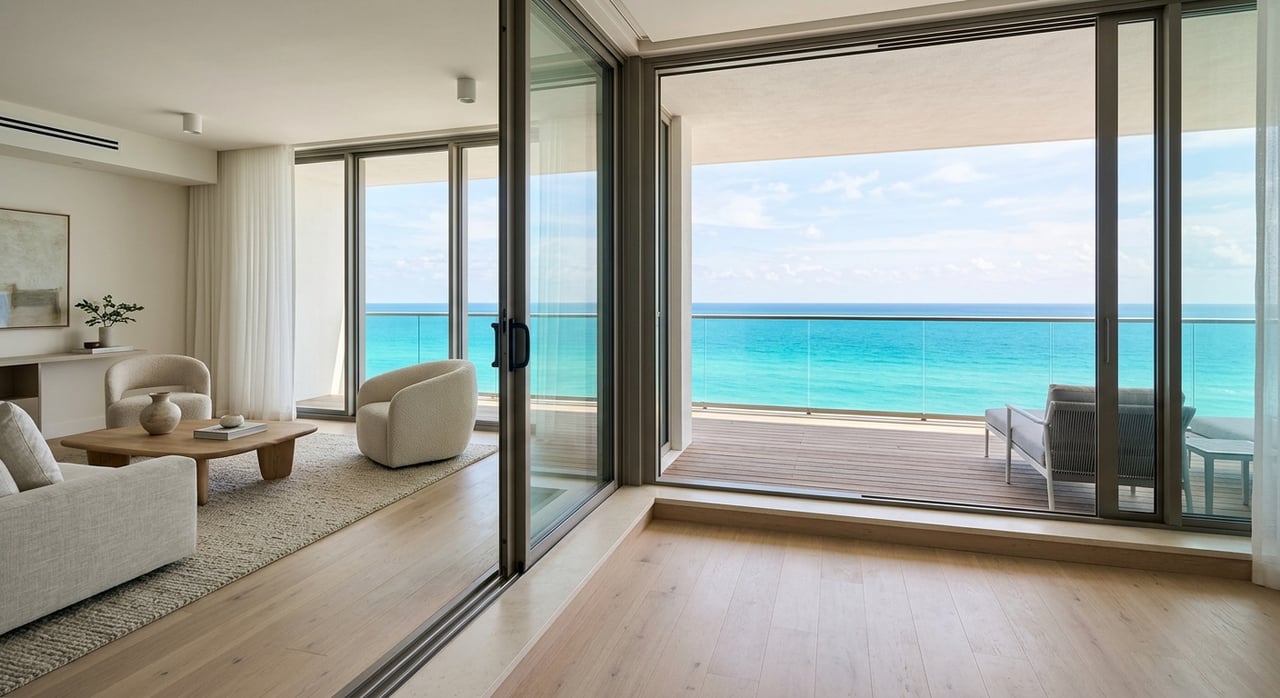
This is why sophisticated buyers should never rely only on floor plans or marketing renderings. You want to understand what the view looks like from actual eye level in the living room and on the balcony.
Questions to Ask About Sightlines
Before you move forward, ask for clarity on these points:
- What does the view look like from the exact unit, not a model line?
- How does the sightline read from seated and standing positions?
- What is the zoning status of nearby parcels?
- Is there any approved redevelopment nearby that could alter the visual profile?
- Could a parking structure, amenity deck, or neighboring tower interrupt the horizon?
- Is the stack in a portion of the building that benefits from the village’s setback pattern?
In Bal Harbour, these questions are not overly cautious. They are part of buying intelligently in a small, high-value coastal market.
Stack Selection Can Change the Ownership Experience
Luxury buyers often focus first on finishes, but stack selection can shape daily life just as much. The right stack can improve privacy, light, and the feeling of separation from neighboring residences or hotel activity.
For example, two units on the same floor may have very different experiences depending on how they face the water, nearby buildings, or service areas. A well-positioned stack may feel calmer, more private, and more protected over time.
That is especially important in Bal Harbour, where zoning, setbacks, and neighboring development patterns are concentrated into a tight geography. In a setting like this, small physical differences can create major differences in enjoyment and resale positioning.
Building Model Matters as Much as the Unit
Not all luxury condo buildings in Bal Harbour operate the same way. Some are closely tied to resort hospitality, while others lean into low-density, more private residential living.
That distinction matters because amenity programming is part of the building’s operating model. It can influence traffic flow, service style, monthly carrying costs, and how the property is perceived by future buyers.
The St. Regis Bal Harbour is described as a three-tower property with a 216-room resort and a 14,000-square-foot spa, reflecting a luxury resort-residential identity. The Ritz-Carlton Bal Harbour is presented as an 18-story waterfront tower with 124 rooms, semi-private elevators, spa services, dining, and concierge-driven hospitality.
Other buildings position themselves differently. Oceana Bal Harbour emphasizes floor-through residences and unobstructed views, while Bellini at Bal Harbour promotes a more exclusive format with 81 residences, private elevators, residents-only fitness and spa space, and 24-hour concierge, valet, and security.
None of these models is automatically better. The key is whether the building’s service style matches how you intend to use the residence.
Questions to Ask About Amenities and Operations
As you compare buildings, focus on practical ownership questions:
- Are amenities owner-only or shared with hotel guests?
- How many residences share each elevator bank?
- Does the building include restaurants or spa traffic that may affect privacy or noise?
- Is the property truly low-density, or simply marketed that way?
- Does the service model fit your needs for convenience, discretion, and day-to-day use?
These answers can tell you a great deal about what ownership will actually feel like, not just how it looks during a showing.
Florida Condo Documents Deserve Close Review
In Florida, condo diligence has become much more document-driven. For a Bal Harbour luxury condo purchase, the paperwork can tell you as much as the residence itself.
Florida law treats many operational records as essential buyer diligence materials. These include official records such as budgets, reserve studies, permits, contracts, bids, and other association documents. Associations with 25 or more units must generally post key records on a protected website or app.
This is especially important in a luxury coastal market, where building quality, deferred maintenance, and reserve planning can significantly affect ownership costs. A polished lobby does not replace a close review of the building’s financial and operational record.
Documents That Deserve Immediate Attention
A serious buyer should review or request:
- Declaration and bylaws
- Rules and amendments
- Current budget
- Year-end financial statements
- Reserve schedule
- Structural integrity reserve study, if applicable
- Milestone inspection summary, if applicable
- Board minutes
- Contracts and bids
- Building permits
- Records of special assessments
- Records of loans or lines of credit
These are not background documents. In Florida, they are core evidence of how the building is governed and maintained.
Reserves and Inspections Are Central Issues
Florida law now places major emphasis on reserves and building inspections for many condominium associations. If the building is three habitable stories or higher, those obligations may directly affect your due diligence.
A residential condo association subject to the law must complete a structural integrity reserve study every 10 years. That study must address key building components including the roof, structure, fireproofing, plumbing, electrical systems, waterproofing, windows and exterior doors, plus other qualifying items with deferred maintenance or replacement costs above the legal threshold if failure would negatively affect those systems.
After December 31, 2024, associations that are subject to a structural integrity reserve study generally cannot vote to fund less than the required reserves for those listed items. Funding may come through regular assessments, special assessments, lines of credit, or loans, and those decisions should appear in annual financial materials.
Florida’s milestone inspection law adds another layer. Condo buildings that are three habitable stories or higher must be inspected at 30 years and every 10 years after that, although local enforcement agencies may require the first inspection at 25 years in salt-water environments.
For you, the takeaway is simple: ask whether the building has completed its required studies and inspections, what the findings were, and how any recommended work is being funded. This is one of the clearest ways to evaluate whether a building is financially disciplined or likely to face major future cost pressure.
Flood Exposure Should Be Part of Your Analysis
Bal Harbour’s coastal appeal is a major draw, but it also brings real flood considerations. According to the village, most of Bal Harbour lies within a FEMA Special Flood Hazard Area.
The village also notes that flooding can result from heavy rainfall, stormwater runoff, and coastal storm surge. Just as important, standard homeowners and windstorm policies do not cover flood.
For a luxury condo buyer, this means flood diligence should happen before closing, not after. You should confirm flood insurance options and ask about the building’s evacuation posture as part of your review.
This is not just a storm-season issue. It is part of understanding total carrying risk in a coastal ownership decision.
A Smart Bal Harbour Buying Framework
If you want to buy well in Bal Harbour, think in this order: line first, building model second, documents third, finishes fourth. That approach can help you avoid paying a premium for a residence that looks beautiful today but raises harder questions tomorrow.
A strong purchase in this market usually reflects a match between your intended use and the property’s long-term characteristics. If you value privacy, you may prefer a lower-density building with more controlled amenity access. If you want a highly serviced experience, a resort-branded property may align better.
Either way, the goal is not simply to buy a luxury condo. It is to buy the right Bal Harbour condo for how you plan to live, hold, or eventually resell it.
If you want a discreet, document-first approach to evaluating Bal Harbour luxury residences, Carolina Bustillos can help you compare buildings, review the details that matter, and move through the process with clarity.
FAQs
What makes buying a Bal Harbour luxury condo different from buying in other Miami-area condo markets?
- Bal Harbour is a very small coastal village, so factors like stack position, setback patterns, neighboring parcels, association health, and flood exposure can have an outsized impact on value and ownership experience.
What should you review before buying a Bal Harbour oceanfront condo for the view?
- You should review the exact line and floor, check actual eye-level sightlines from the unit, and ask about adjacent parcel zoning or approved redevelopment that could affect future view conditions.
Why do condo reserves matter when buying a Bal Harbour luxury residence?
- Reserves help show how an association plans for major building components and future repairs, and Florida law now requires certain associations to maintain required reserves for listed structural and safety-related items.
What condo documents should you request when buying in Bal Harbour, Florida?
- You should request the declaration, bylaws, rules, amendments, current budget, year-end financials, reserve schedule, structural integrity reserve study, milestone inspection summary, board minutes, permits, bids, contracts, and any records of assessments or financing.
What flood issues should you consider before buying a Bal Harbour condo?
- Most of Bal Harbour is in a Special Flood Hazard Area, so you should verify flood insurance options and ask how the building addresses evacuation planning before closing.
How do hotel-branded and boutique Bal Harbour condo buildings differ for buyers?
- Hotel-branded buildings may offer more service and shared amenities, while boutique or lower-density buildings may emphasize privacy, simpler daily use, and more limited shared traffic.